

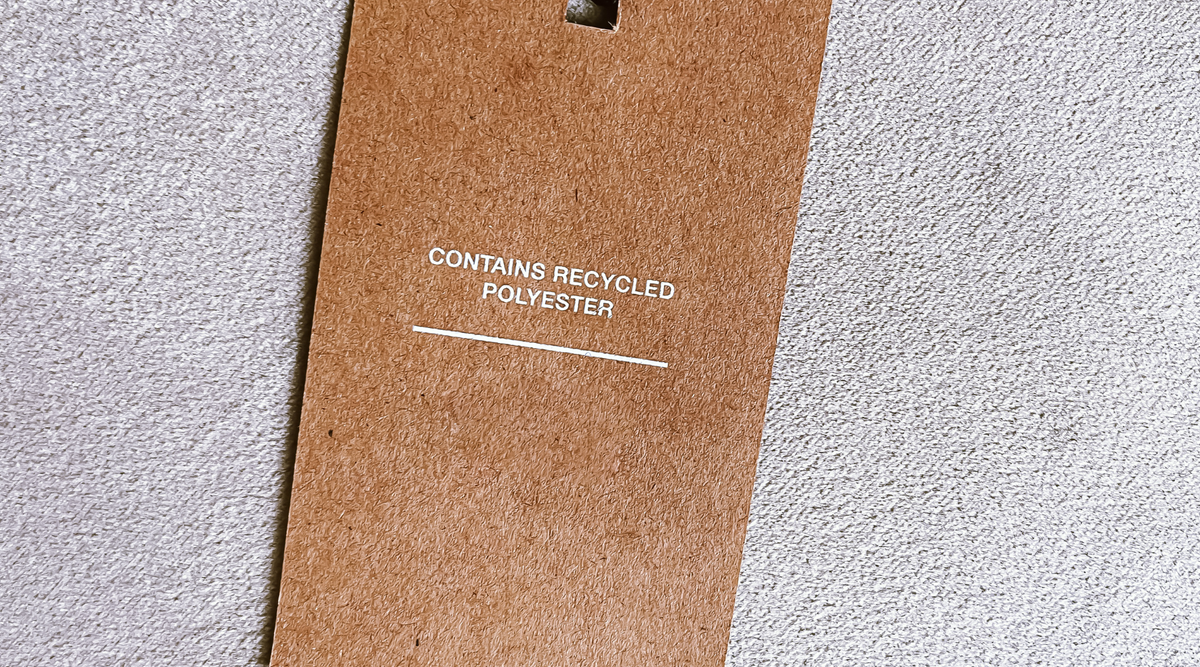
Polyester vs. Recycled Polyester (rPET): Can Synthetic Fabric Ever Be Sustainable?
Polyester is the single most widely used fibre in the fashion industry today, found in everything from activewear to fast fashion basics to the fleece lining of your favourite jacket. Recycled polyester, often labelled rPET, has been positioned as the responsible version of that same fabric. But is recycled polyester eco-friendly, or is it a convenient way for brands to slap a sustainability label on essentially the same synthetic material? Weighing the real recycled polyester pros and cons requires looking honestly at both sides, from where the material actually comes from to what happens once it leaves your washing machine.
How Virgin Polyester Is Made and Why It's a Problem
Virgin, or conventional, polyester is derived from petroleum, making it a plastic fabric at its core, chemically related to the plastic bottles and packaging most of us associate with environmental waste. Producing virgin polyester requires extracting and refining crude oil, then converting it through an energy-intensive chemical process into polyester fibre, a process that relies heavily on fossil fuels at every stage.
Beyond its manufacturing footprint, polyester's biggest long-term problem is what happens during and after its life as a garment. Polyester does not biodegrade in any meaningful timeframe, meaning polyester clothing sent to landfill can persist for hundreds of years. It also sheds microplastic fibres every time it is washed, fibres so small they pass through most wastewater treatment systems and end up in rivers, oceans, and eventually, the food chain.
What Is Recycled Polyester (rPET) and Where Does It Come From?
Recycled polyester, commonly abbreviated as rPET, is made by breaking down existing plastic, most commonly used PET plastic bottles, though increasingly also including recycled textile waste, and reprocessing that material into new polyester fibre. The plastic is cleaned, shredded into flakes, melted down, and extruded into new fibre, using significantly less new petroleum than producing virgin polyester from scratch.
This is why so many activewear and outerwear brands proudly advertise garments made from "X number of recycled bottles," a marketing hook that, while sometimes oversimplified, does reflect a genuine underlying process of diverting plastic waste into new textile fibre rather than letting it end up in landfill or the ocean.

The Benefits of Choosing rPET
The clearest recycled polyester pros centre on resource use and waste diversion. Producing rPET generally requires significantly less energy and fewer new fossil fuel inputs than producing virgin polyester, since it starts from already-refined plastic rather than crude oil. It also gives a genuinely useful second life to plastic waste, particularly PET bottles, that might otherwise end up in landfill or, worse, as ocean pollution.
From a performance standpoint, rPET behaves essentially identically to virgin polyester, offering the same durability, moisture-wicking properties, and quick-drying performance that make polyester such a popular choice for activewear and outdoor gear in the first place, meaning shoppers do not have to sacrifice functionality to choose the more resource-efficient option.
The Downsides: Microplastics & the Recycling Limit
Here is where the recycled polyester pros and cons balance out more than marketing copy often suggests. First, and most significantly, rPET sheds microplastic fibres during washing just as much as virgin polyester does. Recycling the plastic does nothing to change its fundamental chemical structure, meaning the microplastic pollution problem tied to polyester in general remains fully present in recycled polyester as well, regardless of how many bottles were diverted from landfill to make it.
Second, polyester recycling is not infinitely circular in the way glass or aluminium recycling can be. Most rPET today is made from PET bottles, not old polyester clothing, largely because bottle-to-fibre recycling is currently easier and cheaper than genuine textile-to-textile recycling. This means rPET production is, in a sense, competing with the bottle recycling industry for the same limited pool of raw material, rather than creating an entirely closed loop specific to textiles. Each time PET plastic is mechanically recycled, its fibre quality also degrades slightly, meaning there is a practical limit to how many times the same material can be recycled before its quality becomes too compromised for use, and eventually that plastic still ends up as waste regardless of how many cycles it went through first.
To dive deeper into how synthetic clothing impacts our water systems and what you can do about it, check out our blog post on The Microplastic Reality Check: What the Netflix Documentary Means for Your Wardrobe.
rPET vs. Natural Fibres: Which Wins?
When comparing rPET sustainability against a genuinely natural, biodegradable fibre like organic cotton, hemp, or linen, natural fibres generally come out ahead on long-term environmental impact, since they do not shed microplastics and do eventually biodegrade at the end of their life. However, this comparison is not always a fair like-for-like swap, since polyester and rPET offer specific performance characteristics, like stretch, quick-drying properties, and durability under repeated intense wear, that make them genuinely useful for certain categories like activewear and outdoor gear, where natural fibres do not always perform as well.
The more useful comparison, in most cases, is rPET versus virgin polyester specifically, rather than rPET versus natural fibres broadly. Within that narrower comparison, choosing rPET over virgin polyester is almost always the better environmental choice, even though neither option matches the end-of-life benefits of a genuinely natural, biodegradable fibre. For garments where performance genuinely matters, like a running jacket or a swimsuit, rPET is a sensible, meaningfully better choice than virgin polyester. For everyday basics like t-shirts and casual layers, where a natural or semi-synthetic fibre performs just as well, it is worth asking whether polyester in any form is really the best material for the job at all.

Certifications Worth Looking For
Because "recycled polyester" is not a regulated term on its own, certifications play an important role in verifying genuine rPET content. The Global Recycled Standard, or GRS, is the most widely recognised certification in this space, verifying both the actual percentage of recycled material in a product and ensuring baseline environmental and social criteria are met throughout the supply chain, from the recycling facility through to the finished garment.
The Recycled Claim Standard, or RCS, offers a slightly narrower verification, confirming recycled content without the additional environmental and social processing criteria that GRS covers. Both are meaningfully more trustworthy than an unverified claim like "made with recycled materials" printed on a hangtag with no certification body or percentage attached. If a brand states a specific number, such as "made from 12 recycled plastic bottles," without any accompanying third-party certification, it is reasonable to treat that figure as a marketing claim rather than a fully verified one, since there is currently no requirement to substantiate such numbers independently.
Is rPET More Expensive Than Virgin Polyester?
Cost is a genuine consideration in the recycled polyester pros and cons conversation. Historically, rPET has often cost slightly more than virgin polyester, largely due to the collection, sorting, and processing infrastructure required to turn used plastic bottles into clean, spinnable fibre, infrastructure that is still being built out and scaled in many regions.
That price gap has been narrowing over recent years as rPET production scales up and more manufacturers invest in recycling infrastructure, though pricing still varies by region and by the specific type of recycled input used. For shoppers, this modest price premium is often reflected in the final retail price of a garment, though it is generally a smaller difference than the price gap between synthetic and genuinely natural fibres like organic cotton or Tencel.
Textile-to-Textile Recycling: The Next Frontier
One of the most promising developments in this space is the growing investment in genuine textile-to-textile recycling, where old polyester garments themselves, rather than plastic bottles, are broken down and respun into new polyester fibre. This would represent a meaningfully more circular system than the current bottle-to-fibre model, since it would keep polyester textiles in a closed loop rather than relying on the separate plastic bottle recycling stream as its primary input.
Several textile innovators and larger fashion brands have begun piloting chemical recycling technologies capable of breaking polyester down to a molecular level and rebuilding it as new fibre without the quality degradation associated with mechanical recycling. This technology is not yet available at the scale needed to significantly shift the broader rPET sustainability picture, but it represents a genuinely important direction for the future of synthetic fibre recycling, one worth watching closely over the next several years as it moves from pilot projects toward wider commercial adoption.

How to Reduce Microplastic Shedding from Synthetic Clothing
Regardless of whether a garment is made from virgin polyester or rPET, a few practical habits can meaningfully reduce the amount of microplastic fibre it sheds into the water system. Washing synthetic clothing less frequently, and on shorter, cooler cycles, reduces the mechanical agitation that causes fibres to break loose in the first place.
Using a specialised microfibre-catching laundry bag or filter, designed specifically to trap synthetic fibres before they flow out with wastewater, is one of the most effective interventions currently available to individual shoppers. Front-loading washing machines also tend to cause less fibre shedding than older top-loading agitator machines, simply due to gentler mechanical action during the wash cycle. Air drying synthetic garments rather than tumble drying them also helps reduce fibre breakdown over time, extending the useful life of the garment while reducing pollution with every wear.
Conclusion
So, is recycled polyester eco-friendly? It is a genuine improvement over virgin polyester, cutting new fossil fuel use and giving plastic waste a useful second life, but it does not solve polyester's underlying microplastic problem. Weighing the full set of recycled polyester pros and cons honestly means recognising rPET as a meaningfully better synthetic option, not a perfect or fully circular one, and pairing it with good washing habits and a genuine preference for certified, verified rPET wherever possible, rather than taking any recycled claim at face value.
We do not use anything containing plastic in our garments or jewellery because we are passionate believers in skin wellness, which is why you will never see synthetic or recycled plastic fabrics in our collections. Ready to shop all-natural fabrics? Explore our circular fashion womenswear collection and find your next piece with a story worth telling.
Written by Monisha Krishnappa



Leave a comment
This site is protected by hCaptcha and the hCaptcha Privacy Policy and Terms of Service apply.