

Article: Top 10 Men's Sustainable & Responsible Fashion Brands
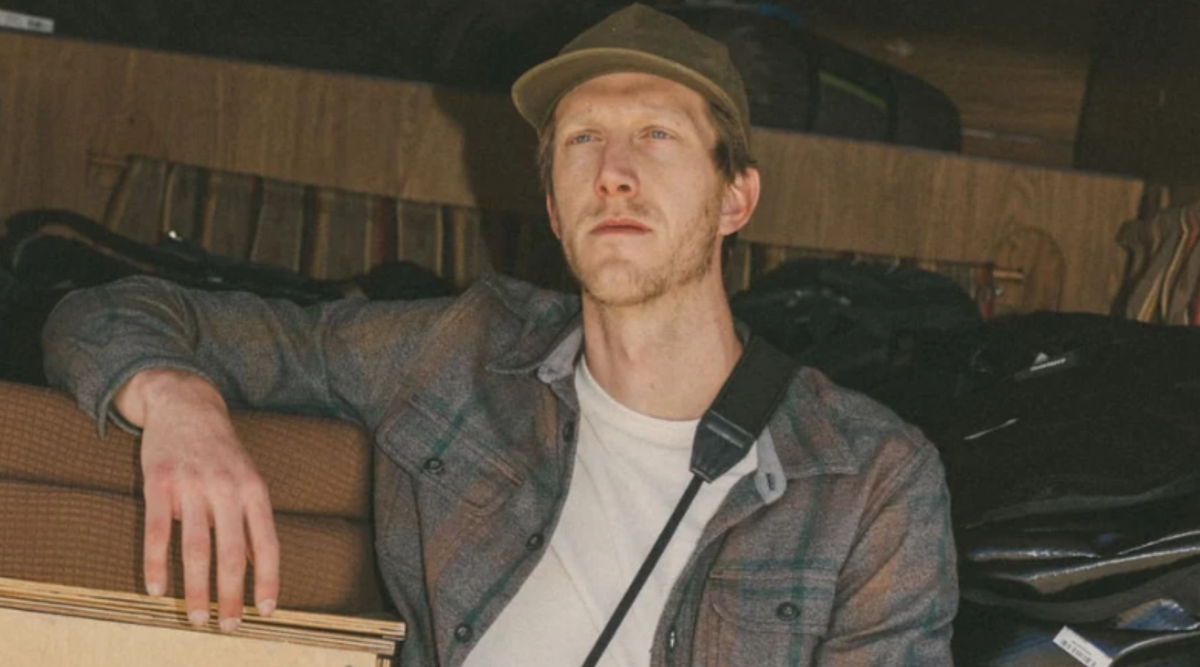
Top 10 Men's Sustainable & Responsible Fashion Brands
Menswear has historically lagged behind womenswear in the sustainable fashion conversation, but that gap is closing fast. From technical outerwear built to be repaired rather than replaced, to Scottish heritage knitwear and organic cotton basics made in fully transparent factories, there are now genuinely strong options across nearly every category. If you are trying to build a wardrobe around the best men's sustainable clothing brands without sacrificing style, fit, or durability, this list is a solid place to start.
We looked at fibre sourcing, local manufacturing, labour practices, and long-term durability to put together this roundup of eco-friendly menswear brands genuinely worth your money.
What Makes a Menswear Brand Truly Sustainable?
A genuinely sustainable menswear brand goes well beyond a single "eco" capsule collection. It means using certified, lower-impact materials like organic or recycled cotton, responsibly sourced wool, or linen consistently across a brand's core range, not just a handful of marketing hero pieces. It also means manufacturing transparency, meaning a brand can tell you where a garment was made, under what labour conditions, and ideally has third-party certification to back that up.
Durability matters just as much as materials. Ethical men's fashion is not only about how a garment is made, but how long it lasts. A well-constructed piece that survives years of regular wear, or that a brand will repair rather than let you throw away, ultimately has a lower environmental footprint than a "sustainable" garment that falls apart after a season. Increasingly, the strongest brands in this space are also thinking about end-of-life, offering take-back schemes, resale platforms, or recycling programmes so a garment's story does not simply end in landfill.
How We Chose These Brands
Every brand on this list meets a consistent bar: verifiable use of sustainable materials, meaningful transparency around manufacturing and labour practices, and a track record of durability rather than disposability. We prioritised brands with independent certifications or local small-batch craftsmanship over brands relying solely on their own marketing claims. We also aimed for range, covering everything from British knitwear to everyday basics to denim, so there is something here regardless of what your wardrobe actually needs.
The Top 10 Sustainable Men's Fashion Brands

Highland 2000
For authentic, British-made knitwear, Highland 2000 represents the pinnacle of slow fashion. Manufacturing all of their products in the UK using traditional machinery and 100% natural wool, their heavy-knit jumpers and accessories avoid synthetic blends, ensuring every piece is completely natural, exceptionally warm, and built for decades of wear.
Kestin
Designed in Leith, Scotland, Kestin focuses on premium menswear built to outlast seasonal trends. The brand prioritises UK manufacturing wherever possible, regularly collaborating with historic Scottish mills for their woollens and sourcing technical, recycled fabrics from specialized European mills. Their focus on heavy-duty construction and timeless utility silhouettes makes them a standout choice for durable menswear.
Komodo
Pioneering ethical fashion since 1988, Komodo is one of the original trailblazers in eco-friendly menswear. The brand relies heavily on natural, certified organic fibers—including GOTS-certified organic cotton, hemp, Tencel, and linen—while maintaining long-standing fair trade partnerships with heritage craftspeople in Nepal and India.

Rolf Skeldon
Rolf Skeldon brings a refined, slow-fashion approach to contemporary men’s casual wear, prioritizing natural materials, small-batch production, and relaxed, everyday staples. From premium swim shorts, t-shirts, and comfortable joggers to thoughtfully designed men's jewellery, the brand eschews mass-production cycles to create elevated basics built for long-term wear with zero unnecessary stock waste.
Indilisi
Indilisi champions small-batch artisan production and ethical craftsmanship, bringing unique, slow-crafted menswear to the conscious consumer. Their commitment to supply chain visibility and slow production runs ensures minimal environmental impact while offering men garments with a real story behind them.
Knowledge Cotton Apparel
This Danish brand uses 100% organic and, increasingly, Regenerative Organic Certified cotton across its entire menswear range, alongside a distinctly Scandinavian design sensibility. Knowledge Cotton Apparel has also invested heavily in supply chain transparency, publishing detailed information about its factory partners and environmental impact.
Kotn
Kotn is a certified B Corp built around a fully traceable supply chain for Egyptian organic cotton, working directly with farming cooperatives to improve both agricultural practices and community infrastructure. Its menswear range focuses on clean, minimalist essentials, from t-shirts to button-downs, all rooted in that same traceable cotton sourcing.

Nudie Jeans
Nudie Jeans has built an entire business model around organic denim paired with a free lifetime repair programme, encouraging customers to send jeans back for mending rather than replacing them. This repair-first approach is one of the clearest examples of a brand designing genuinely for longevity rather than short-term sales, and the brand also runs a dedicated denim recycling scheme for jeans that reach the end of their usable life.
Toad & Co
Toad & Co makes relaxed, travel-friendly clothing designed for an active, outdoor-oriented lifestyle, built primarily from recycled and organic fibres. The brand is a certified B Corp, meaning it has been independently assessed against a rigorous standard covering environmental impact, worker treatment, and corporate transparency.
Outerknown
Co-founded by professional surfer Kelly Slater, Outerknown is Fair Labor Association certified and uses recycled and regenerative materials across its range of relaxed, coastal-inspired menswear. The brand has been particularly vocal about pushing the wider industry toward regenerative agriculture, going beyond simply organic sourcing.

Certifications Worth Knowing
With so many "eco-friendly menswear" claims floating around, certifications are the most reliable way to separate genuine sustainability from marketing language. B Corp certification, held by brands like Toad & Co and Kotn on this list, assesses a company's entire business, not just its products, against a rigorous standard covering environmental impact, worker treatment, and corporate governance, verified through an independent audit process.
GOTS, the Global Organic Textile Standard, verifies organic fibre content alongside processing and labour conditions, and is worth looking for on any garment marketed as organic cotton. Fair Trade Certified, held by Kotn and others, specifically verifies fair wages and safe working conditions for the people making your clothes, addressing the labour side of the equation directly rather than focusing solely on materials. The Fair Labor Association certification held by Outerknown works in a similar way, independently monitoring factory conditions across a brand's supply chain.
None of these certifications are perfect, and each has its own limitations and critics, but collectively they represent a far more reliable filter than an unverified "sustainable" or "eco-friendly" label with nothing to back it up. When in doubt, look for a named, independently audited certification or verified local craftsmanship rather than taking a brand's own claims at face value.
Caring for Your Sustainable Menswear
Buying from the best men's sustainable clothing brands is only half the equation; how you care for those garments afterward has a real impact on their overall footprint too. Washing clothes less frequently, using cold water, and air drying rather than tumble drying all meaningfully extend a garment's lifespan while reducing energy use and fibre wear over time.
Take advantage of repair services wherever a brand offers them. Nudie Jeans' free repairs exist specifically because keeping a garment in circulation longer is one of the most effective sustainability levers available, more impactful in many cases than the choice of fibre itself. When a piece genuinely reaches the end of its life, look into resale platforms, textile recycling schemes, or brand take-back programmes rather than sending it straight to landfill.
Price Points: What to Expect
One of the biggest myths around ethical men's fashion is that it is uniformly expensive, and while sustainable materials and fair labour practices do generally cost more to produce than fast fashion, the price range across these ten brands is actually fairly wide. Kotn sits toward the more accessible end, with organic cotton basics priced comparably to mid-range mainstream brands, making them a sensible entry point if you are just starting to build out a more conscious wardrobe.
Brands like Toad & Co occupy a solid mid-range, reflecting slightly more technical materials and a broader product range spanning outerwear as well as basics. At the investment end, Kestin, Highland 2000, and Outerknown price their technical or heritage pieces closer to premium lifestyle brands, which reflects both the specialized UK materials involved and the genuinely long product lifespans these brands are known for. Nudie Jeans sits in a similar premium bracket specifically for its denim, a category where price correlates directly with construction quality and expected longevity.
A useful way to think about cost is price per wear rather than sticker price alone. A £180 pair of British-made trousers worn weekly for four years works out considerably cheaper per wear than a £40 pair replaced twice a year, while also representing a meaningfully smaller environmental footprint over that same period.

How to Build an Ethical Men's Capsule Wardrobe
Start with the pieces you wear most often, typically t-shirts, jeans, and a couple of versatile outer layers, and prioritise swapping those for options from the best men's sustainable clothing brands first, since that is where the highest volume of wear, and therefore impact, happens. From there, look for genuinely versatile pieces that work across multiple outfits and seasons, rather than buying single-occasion items that will only get worn once or twice.
Pay attention to fit and fabric weight as much as sustainability credentials. A perfectly ethical garment that never gets worn because it does not fit well is not actually a sustainable choice in practice. Finally, take advantage of repair programmes where they exist, since extending a garment's life is one of the single most effective sustainability actions available to any shopper.
Questions to Ask Before You Buy
Before adding a new piece to your wardrobe, it is worth asking a few quick questions. What is this made from, and is that material independently certified rather than just self-described as "sustainable"? Where was it manufactured, and does the brand disclose factory conditions? Does the brand offer any repair, resale, or take-back programme once the piece eventually reaches the end of its life with you?
Answering these questions consistently, across every purchase, is a far more reliable filter than relying on a single "eco-friendly menswear" label on a hangtag, and it is exactly the kind of scrutiny the brands on this list are built to withstand.
Conclusion
Building a wardrobe around genuinely ethical men's fashion no longer means compromising on style, technical performance, or fit. The ten brands above represent some of the strongest, most transparent options available today, giving you a real starting point for a menswear wardrobe you can feel good about wearing for years to come.
Ready to shop conscious style? Explore our circular fashion womenswear collection and discover elevated, small-batch pieces crafted with a story worth telling.
Written by Monisha Krishnappa


Leave a comment
This site is protected by hCaptcha and the hCaptcha Privacy Policy and Terms of Service apply.