

Top Small-Batch & Deadstock Fashion Brands to Watch
While mass fashion continues to churn out enormous volumes of clothing in anticipation of demand that may never fully materialise, a growing group of designers has taken the opposite approach entirely. Small batch clothing brands produce in deliberately limited quantities, often using deadstock fabric rescued from mills and warehouses, resulting in genuinely low-waste, limited edition sustainable fashion that rarely ever gets marked down or discarded unsold.
This guide introduces some of the most exciting deadstock fashion brands working this way today, and explains why this small-batch model represents a genuinely different approach to how clothing gets made.
What Does "Small-Batch" and "Deadstock" Actually Mean?
Small-batch production means manufacturing clothing in limited runs, often numbering in the dozens or low hundreds of units, rather than the thousands typical of larger fashion brands. This approach naturally limits overproduction, since brands produce close to, or even below, actual anticipated demand rather than guessing at a much larger number and hoping it sells.
Deadstock fabric, meanwhile, refers to surplus material—unused rolls of fabric originally produced for another purpose—that would otherwise sit in a warehouse or eventually be discarded. Many small-batch brands pair the two approaches naturally. Because deadstock fabric is a finite and unpredictable resource, production runs are inherently capped by whatever quantity of a specific fabric a brand manages to source. This is exactly why so many deadstock fashion brands describe their releases as limited edition drops rather than an ongoing, restockable collection; once a specific bolt of deadstock fabric sells out, that particular print or colourway is genuinely gone for good.

Why This Model Is Better for the Planet
The environmental case for small-batch, deadstock-based fashion is fairly direct. Overproduction is one of the fashion industry's single biggest sustainability problems, with vast quantities of unsold clothing regularly ending up discarded, discounted into oblivion, or destroyed each year. Small-batch production sidesteps this problem almost entirely by keeping quantities deliberately limited and closely tied to genuine demand.
Pairing that model with deadstock fabric compounds the benefit, since new fabric does not need to be produced at all for a given collection, avoiding the water use, energy, and chemical inputs tied to manufacturing new textiles from scratch. The result is a genuinely lower-waste system from both ends: less unsold finished product, and less newly manufactured raw material.
How We Chose These Brands
We prioritised brands genuinely committed to small production runs and verified deadstock or surplus fabric sourcing, rather than brands using the terms loosely as a marketing hook. We also looked for transparency around exactly how much of a given collection uses deadstock material, and favoured brands manufacturing locally or within a short, traceable supply chain wherever possible.

The Brands to Watch
Christy Dawn
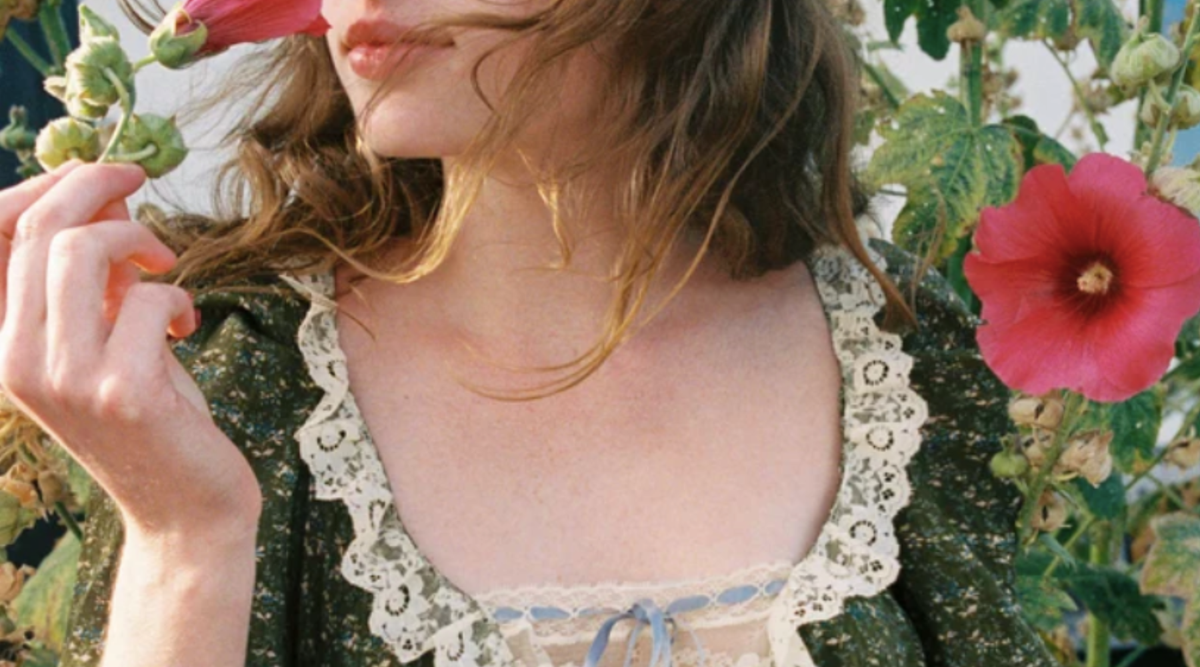
Christy Dawn built its entire brand around deadstock fabric from the very beginning, sourcing rescued material for its signature romantic, vintage-inspired dresses. The brand has since expanded into regenerative cotton farming as well, extending its low-waste philosophy further back into the supply chain by growing its own future fabric on a dedicated farm rather than relying solely on rescued deadstock.
Fanfare Label
Based in the UK, Fanfare Label focuses on small-batch production using deadstock fabrics, organic cotton, and upcycled textiles. They transform surplus materials into contemporary, structured tailoring and casual wear, showing how circular manufacturing can deliver high-end design without adding to textile waste.
Story mfg.
UK-based Story mfg. operates at the intersection of craft, slow production, and zero-waste design. Using natural dyes, hand-embroidery, and deadstock trims, they produce small, highly considered batches built to last. Their approach shows how circular fashion can embrace rich textures and artistic detail without generating excess waste.
Linenfox
Operating out of Lithuania, Linenfox crafts made-to-order and small-batch clothing using locally sourced, OEKO-TEX certified linen and deadstock offcuts. By cutting garments only as orders come in or in strictly capped batches, they keep material waste near zero while offering timeless, functional everyday wear.
NotPerfectLinen
A family-owned studio producing strictly small-batch, made-to-order linen garments, NotPerfectLinen rejects the fast-fashion calendar entirely. Every piece is cut and sewn by hand in small runs, utilising fabric offcuts for smaller accessories and home goods to ensure almost nothing ends up in a landfill.
Reformation
Reformation has scaled the deadstock model further than most, incorporating deadstock fabrics into a much larger production operation while maintaining detailed environmental impact reporting for each garment. Its ability to bring deadstock sourcing to a wider retail audience has helped popularise the concept considerably, introducing the idea of rescued fabric to shoppers who might never have encountered the term otherwise.
OhSevenDays
Istanbul-based OhSevenDays designs in small batches using rescued deadstock fabric sourced directly from local garment factory surplus. Releasing new limited collections on a rolling basis rather than committing to large seasonal drops, its distinctive, versatile silhouettes have built a loyal international following for genuinely limited edition sustainable fashion.
Son de Flor
Son de Flor pairs its slow, small-batch linen production model with a rare pre-loved resale programme, allowing customers to return worn pieces for a second life rather than letting them sit unused. This closed-loop approach extends the brand's low-waste philosophy well beyond the initial point of sale, ensuring each garment's story continues long after its first owner is done wearing it.

How Small-Batch Brands Handle Sizing and Fit
One practical challenge that comes with deadstock-based small-batch production is sizing consistency, since a brand may only have enough of a specific fabric to produce a limited size run. This is part of why brands like Linenfox and NotPerfectLinen have made customisation and made-to-order options a central part of their model, actively working to ensure their zero-waste cutting process still accommodates a full range of bodies.
Producing each garment specifically for the person who ordered it removes the sizing lottery altogether, though it does mean a slightly longer wait time between ordering and delivery. If sizing consistency and fast delivery matter most to you, it is worth checking a brand's specific approach before assuming all small-batch, deadstock-based labels operate the same way.
Balancing Scale and Impact: Can Deadstock Fashion Grow?
A fair question worth asking is whether this small-batch, deadstock-driven model can actually scale to meaningfully shift the wider fashion industry, or whether it will always remain a relatively niche corner of it. Reformation's experience offers one useful data point, showing that deadstock sourcing can be incorporated into a larger operation, though doing so requires building dedicated sourcing relationships with mills capable of supplying deadstock fabric at a larger scale.
For most of the brands on this list, remaining genuinely small-batch is a deliberate choice, since the entire appeal of both the deadstock sourcing model and the limited-edition retail experience depends on staying closely tied to actual demand. Rather than expecting every small-batch brand to scale up, it is more useful to think of this model as one meaningful piece of a broader shift toward a slower, more considered fashion industry overall.

How to Shop Small-Batch Drops Without Missing Out
Small-batch production means popular pieces genuinely do sell out, often permanently, since brands cannot reorder the exact same deadstock fabric once it runs out. Signing up for a brand's email list or following its drop announcements on social media is usually the most reliable way to catch a specific piece before it disappears.
It also helps to think slightly differently about shopping small-batch fashion compared to conventional retail. Rather than searching for a specific item and waiting for it to go on sale, it is often more effective to browse a brand's current drop with an open mind, since the specific fabrics and designs available will genuinely change from one release to the next.
Questions to Ask Before You Buy
Before buying from a small-batch or deadstock fashion brand, ask specifically what percentage of the fabric used is genuine deadstock, since some brands blend deadstock pieces into a wider range that includes newly produced fabric. Ask where the deadstock originated, since a brand that can name the type of mill or region it sources from is generally more trustworthy than one offering only a vague reference to "surplus" material.
Finally, check whether the brand is transparent about the fact that a piece is limited edition and will not be restocked. It is also worth checking the brand's returns policy specifically for limited edition pieces, since some small-batch labels handle final sale items differently given the constraint of not being able to simply reorder more stock.
Conclusion
Small batch clothing brands and the deadstock fashion movement represent a genuinely different way of thinking about how clothing gets made—prioritising real demand and rescued material over volume and speed. The brands above offer some of the most compelling limited edition sustainable fashion available today, each piece carrying its own small, finite story.
At No More Nobody, we don't just advocate for this movement—we live it. Every piece of clothing and jewellery we create is made solely from genuine deadstock fabrics and discarded materials, ensuring that nothing new is produced and zero surplus goes to waste.
Ready to wear pieces crafted with absolute commitment to low-waste, circular design? Explore our No More Nobody Circular Fashion Collection and find your next piece with a story worth telling.
Written by Monisha Krishnappa


Leave a comment
This site is protected by hCaptcha and the hCaptcha Privacy Policy and Terms of Service apply.