

Recycled Fabric vs Organic Fabric vs Deadstock vs Vintage: What's Actually Better for the Planet?
Let’s be honest. Sustainable fashion conversations can feel like a maze.
Recycled materials sound responsible. Organic natural fibers sound pure. Deadstock feels clever. Vintage feels romantic. Everyone claims they’re saving the planet.
But what’s actually better?
If you look beyond marketing and into full lifecycle analysis water, energy, chemical use, waste and durability, a clearer hierarchy starts to emerge.
So let’s break it down properly. No greenwashing. No perfectionist paralysis. Just what you need to know.
Precise Definitions: What Each Fabric Category Really Means
Recycled fabric turns waste into new textiles. Most commonly, that’s post-consumer recycled polyester (rPET) made from plastic bottles. The bottles are sorted, cleaned, melted down and spun into yarn. There’s also pre-consumer recycling (factory scraps), and chemical recycling (breaking polymers down to molecular level), though chemical recycling still represents under 5% of total capacity.
Organic fabric means certified production with no synthetic pesticides, herbicides or GMO seeds. Organic cotton makes up just 1% of global cotton production, despite the premium pricing. Organic wool, linen and hemp follow the same strict standards. The key word here is certification GOTS matters more than vague “organic” labels.
Deadstock fabric is unused manufacturing surplus. High-quality materials; cotton sateen, silk charmeuse, wool suiting, linen canvas, that were produced but never sold because orders were cancelled or collections scrapped. The fabric quality matches virgin production exactly. It just never made it into the system.
Vintage fabric refers to pre-owned textiles, usually 20+ years old. True vintage (pre-2005 production) sits alongside modern secondhand. Both avoid new manufacturing entirely. Whether it’s cotton shirting, wool flannel, silk velvet or leather outerwear, these pieces already exist and that’s the point.

Environmental Impact: Water, Energy, Chemicals & Waste
Here’s where it gets interesting.
Recycled fabrics use very little water compared to new polyester (around 25 liters per kg rPET), but they still shed microplastics when washed. The plastic problem doesn’t disappear, it just shifts form.
Organic cotton uses around 7,600 liters of water per kg, but eliminates pesticide pollution across thousands of acres. So yes, water use is high, but chemical toxicity drops dramatically.
Deadstock fabric carries zero new production impact. The water, energy and chemicals have already been spent. Choosing deadstock prevents perfectly good fabric from being destroyed.
Vintage garments have the lowest carbon footprint possible because there’s no new manufacturing at all.
Energy follows a similar pattern:
Vintage and deadstock require none.
Organic requires cultivation and processing energy.
Recycled materials require significant electricity for mechanical processing.
Waste impact?
Vintage wins. Deadstock prevents destruction. Organic biodegrades. Recycled polyester still ends up as non-biodegradable textile waste.
Durability & True Cost-Per-Wear
Here’s what no one talks about enough: longevity.
Organic cotton can handle 200+ washes.
Deadstock wool can survive 500+ wears.
Vintage leather improves with age.
Recycled polyester typically degrades after 50–100 washes.
Now look at cost-per-wear:
A £40 recycled polyester T-shirt worn 50 times = 80p per wear.
A £60 organic cotton shirt worn 150 times = 40p per wear.
A £120 deadstock wool trouser worn 400 times = 30p per wear.
An £80 vintage leather jacket worn 1,000 times = 8p per wear.
Suddenly “expensive” doesn’t look so expensive.
Vintage often outperforms modern quality standards. Deadstock matches virgin fabric specs exactly. Organic ages beautifully. Recycled synthetics degrade predictably.

Real World Accessibility & Pricing
Let’s talk reality.
Recycled fabrics dominate the high street H&M Conscious, Zara Join Life, Gap Renew, and sportswear brands. £20–£80. Widely available. Look for Global Recycled Standard (GRS) certification.
Organic fabrics sit in the premium space (£40–£150). Brands like Patagonia, Thought, Armedangels and Colorful Standard lead here. Mainstream availability is still limited.
Deadstock fabric is more niche. Brands like Reformation, Mara Hoffman, Size 0 and No More Nobody use it selectively. Limited stock means scarcity pricing (£80–£300). Timing matters.
Vintage fabric? Everywhere. Depop, Vinted, eBay, charity shops. £5–£50 if you’re patient.
Accessibility hierarchy? Vintage first. Recycled consistent. Organic committed. Deadstock selective.
The Hidden Challenges (Because There Are Always Some)
Recycled fabric suffers from “10% recycled content” greenwashing. And microplastic shedding is still real. Recycling also downgrades fiber quality over time.
Organic fabric can travel long distances, increasing transport emissions. Certification costs inflate prices.
Deadstock can create artificial scarcity marketing. And the original chemical treatments remain what they were.
Vintage requires patience. Sizing inconsistencies. Condition checks. Sometimes dry cleaning.
And here’s the truth across all categories:
No fabric solves fashion overconsumption. The industry still produces 92 million tons of waste annually. Reducing consumption volume beats material purity every single time.

Scenario-Specific Recommendations
-
On a tight budget? Prioritize vintage and thrift. Add recycled basics if needed.
-
Sensitive skin? Organic cotton, linen or hemp only. Avoid synthetics.
-
Trend-driven? Vintage unique pieces + deadstock statements.
-
Capsule wardrobe? Deadstock investment + vintage staples + organic basics.
-
Activewear? Recycled polyester (GRS certified) for performance. Organic merino for base layers.
-
Luxury investment? Vintage leather and wool. Deadstock designer fabrics.
-
Family practical needs? Organic cotton durability + vintage kidswear.
Decision Hierarchy: If You Want It Simple
-
Vintage first.
-
Deadstock second.
-
Organic basics third.
-
Recycled synthetics only where performance demands it.
Thrift weekly. Invest deadstock seasonally. Replace fast fashion basics with organic. Use recycled only for technical gaps.

Complete Fabric Allocation Strategy
A strategic wardrobe might look like:
-
50% vintage thrift sourcing
-
20% deadstock investment pieces
-
20% organic natural basics
-
10% recycled performance garments
Cost-per-wear drops. Environmental impact improves. Decision fatigue disappears.
|
Priority Factor |
Vintage Fabric |
Deadstock Fabric |
Organic Fabric |
Recycled Fabric |
|
Budget Impact |
Lowest (£5-50) |
High (£80-300) |
Medium (£40-150) |
Lowest (£20-80) |
|
Durability Rating |
20+ years |
10+ years |
5-10 years |
1-3 years |
|
Uniqueness Factor |
Highest |
High |
Low |
None |
|
Performance Capability |
Medium |
High |
Medium |
Highest |
|
Environmental Impact |
Best |
Best |
Good |
Fair |
|
Availability Score |
Everywhere |
Limited |
Medium |
Everywhere |
Context Determines the Winner
Vintage eliminates new production entirely. Deadstock prevents waste. Organic preserves biodiversity. Recycled fills technical gaps.
But the universal principle stays the same:
One vintage wool coat worn 500 times beats five new “sustainable” polyester jackets every time.
Start small. Visit three thrift stores this weekend. Screenshot deadstock drops. Replace one fast fashion piece this month. Track your cost-per-wear.
Build intentionally.
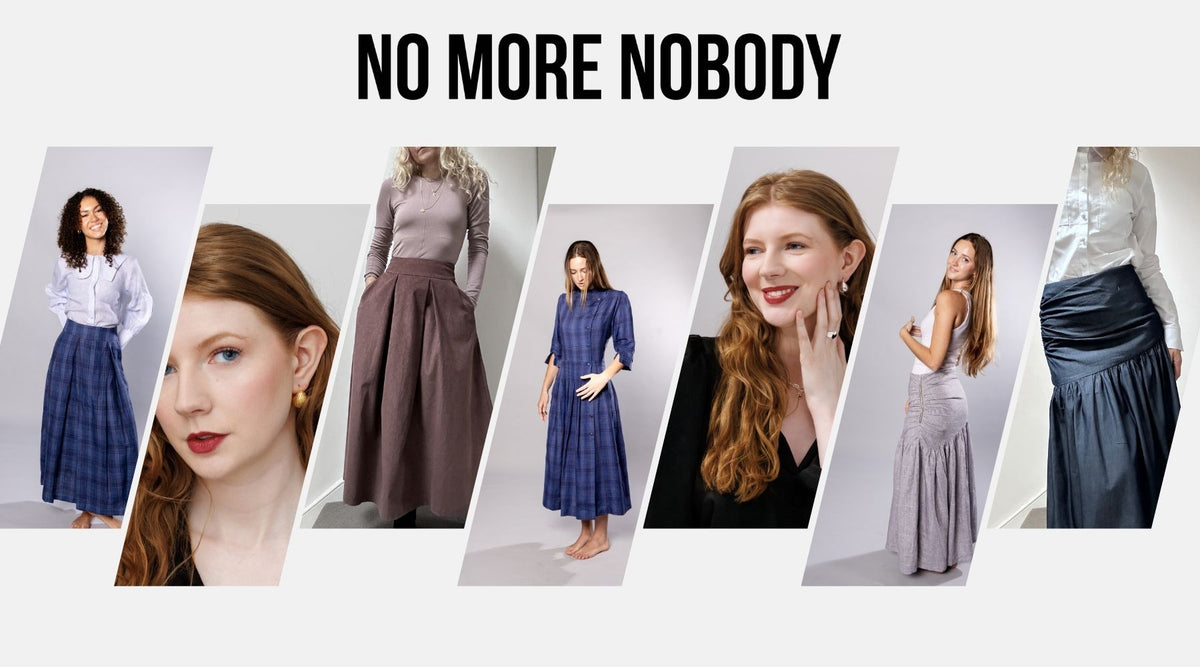
And if you’re looking for circular fashion womenswear that blends deadstock quality, organic fibers and vintage-inspired design that’s exactly what we do at No More Nobody.
Reclaim what already exists. Wear it longer. Make it matter.
Written by Monisha Krishnappa & Silva Hrabar-Owens

Leave a comment
This site is protected by hCaptcha and the hCaptcha Privacy Policy and Terms of Service apply.