

The New Rules of Sustainable Fashion in 2026: What Shoppers Need to Know
The new rules of sustainable fashion in 2026 are simple: less greenwashing, more proof, and clothes that work harder and last longer. Sustainable fashion has shifted from “nice to have” to an expected standard for brands and eco conscious consumers who care about ethics, transparency and real impact.
As regulations tighten and shoppers get smarter, fashion labels are being pushed to show exactly how their designs protect people and the planet. This guide breaks down what those rules mean for you and how to turn them into practical wardrobe habits.
Why 2026 is a turning point for fashion
Several forces collide in 2026 to make this year a real turning point for sustainable fashion 2026:
-
Stronger sustainability rules. Across Europe and the UK, new regulations are targeting overproduction, textile waste and vague “eco” claims. Brands are being nudged toward ecodesign, which means creating clothes that last longer, can be repaired and are easier to recycle at end of life.
-
More demanding eco conscious consumers. Shoppers are increasingly asking: “Who made my clothes?”, “What is this fabric made from?”, and “Will I actually wear this 30 times?”. People are moving away from haul culture and micro trends and towards slow fashion, resale, rental and curated capsules.
For brands, this means sustainability is about compliance and credibility, not just campaigns. For you, it creates the perfect moment to align your wardrobe with your values using a realistic sustainable shopping guide.
From buzzwords to real impact: what “sustainable” should mean now
Words like eco, conscious, ethical, green and responsible used to be thrown around with almost no proof. In 2026, they need substance behind them. When you see “sustainable fashion” or “ethical fashion 2026”, it should align with three core pillars.
1. Environmental responsibility
-
Preference for lower impact materials such as organic cotton, linen, hemp, TENCEL™ and genuinely recycled fibres instead of conventionally grown cotton or virgin synthetics.
-
Reduced water use, less toxic chemistry, and lower emissions from fibre to finished garment.
-
A plan for end of life: reuse, resale, repair, rental, recycling or composting instead of landfill or incineration.
2. Social and ethical standards
-
Commitment to living wages, safe working conditions and strong policies on workers’ rights.
-
Clear, honest information about where clothes are made, not just “ethically made” stamped on a swing tag.
3. Transparency and accountability
-
Public sustainability or impact reports rather than vague promises.
-
Traceability through the supply chain; sometimes even digital product passports or QR codes that show materials, origin and care.
-
Real certifications and evidence instead of invented badges or generic “eco range” language.
If a brand talks loudly about caring for the planet but shares no tangible details about fabric, factories or impact, treat “sustainable” as a marketing word, not a reality.

Key 2026 rules for brands: durability, repairability and waste reduction
The strongest sustainable fashion rules in 2026 focus on how clothes are designed and what happens to them after you buy them.
Durability as a design requirement
Fast fashion pieces that fall apart after a few wears are no longer acceptable in a world that wants to cut textile waste. Durable design means:
-
Fabrics that survive repeated washing without losing shape or colour.
-
Strong seams, quality zips and buttons, and construction that can handle real life.
-
Timeless silhouettes and thoughtful patterns that still feel relevant several seasons later.
Durability connects directly to cost per wear. A well made dress worn 30 40 times is cheaper and more sustainable than a bargain piece worn twice and binned.
Repairability and circularity
Repair is becoming a core part of ethical fashion 2026:
-
Clothes are designed so they can be altered, repaired and refreshed instead of being glued and fused beyond fixing.
-
Brands are increasingly offering repairs, spare parts or guides to help extend garment life.
-
Take back programmes, resale sections and rental services keep pieces circulating rather than sitting unused or heading straight to landfill.
Circular fashion is no longer just a buzzword; it is a practical way to reduce waste and keep value in the system.
Waste and overproduction limits
Overproduction is one of fashion’s biggest problems. The new sustainable fashion rules push brands to:
-
Produce in smaller batches and use pre order or made to order models where possible.
-
Use data and tighter planning so they do not flood the market with items no one wants.
-
Explore deadstock fabrics and upcycling as ways to use existing materials instead of constantly creating new ones.
Together, durability, repairability and waste reduction form the backbone of sustainable fashion 2026.
What these changes mean for everyday shoppers
All these policy and industry shifts matter most when they change how you shop and dress. In practical terms, here is what eco conscious consumers will notice.
-
More detailed labels and product pages. Expect clearer fibre breakdowns, more honest recycled content percentages, and often a link or QR code to impact or supply chain information.
-
Less trust in super cheap prices. As costs rise to reflect better materials, compliance and fairer labour, extremely low prices start to look like a red flag rather than a bargain.
-
Second hand and rental are mainstream. Resale apps, thrift, curated vintage and rental wardrobes are an essential part of sustainable fashion rules, not just a niche interest.
-
Habits matter more than single “eco” buys. One “green” purchase does not offset frequent fast fashion hauls; consistent behaviour (buying less, wearing longer, caring better) has the real impact.

How to update your wardrobe habits in line with the new rules
Use this simple sustainable shopping guide to bring the 2026 rules into your daily choices.
1. Start with what you already own
-
Shop your wardrobe first: restyle outfits, layer smartly and rediscover old favourites.
-
Learn basic repairs, buttons, small tears, loose hems or support local tailors.
-
Sell, donate or swap pieces you truly will not wear again, keeping them in circulation.
2. Choose fabrics consciously
-
For everyday clothing, prioritise organic and low impact natural fibres next to your skin.
-
Use recycled synthetics thoughtfully for outerwear and performance gear where they can replace virgin polyester or nylon.
-
Watch out for token “5% recycled” blends used just for marketing; they make recycling harder later and often do not deliver real impact.
3. Check brand transparency before you buy
Ask these questions every time:
-
Does the brand clearly state what the item is made from and where it is produced?
-
Does it talk about living wages, audits or factory standards?
-
Does it publish any sort of sustainability or impact report, even a basic one?
If the answer is “no” to all of the above, it probably does not match the ethical fashion 2026 standard you are aiming for.
4. Embrace pre loved, rental and small batch brands
-
Use resale platforms, vintage shops and swapping communities for statement pieces and experiments.
-
Rent outfits for occasions instead of buying something you will wear once.
-
Support small batch independent labels that prioritise craftsmanship, limited runs and close relationships with their makers.
5. Track cost per wear instead of chasing discounts
Before buying, ask:
-
How many outfits can I build with this using pieces I already own?
-
Realistically, how many times will I wear it in the next year?
-
What is the cost per wear if I divide the price by that number?
A piece that scores well on cost per wear is usually more aligned with sustainable fashion rules than a trend led bargain that you will quickly forget.
Your biggest questions about sustainable fashion in 2026
1. Is sustainable fashion always more expensive?
Upfront, ethical fashion 2026 often costs more because it reflects better materials, fairer wages and smaller runs. Over time, however, durable, well made garments are cheaper per wear than low quality items that fail quickly. You can also build a more sustainable wardrobe on a budget using resale, vintage and swaps.
2. Are “conscious” or “green” collections trustworthy?
Sometimes, but not always. Some brands still use small eco capsules to distract from a wasteful overall model. Look for details fabric breakdowns, certifications, supplier information and transparent goals instead of trusting the label alone.
3. What is the most sustainable way to shop?
The hierarchy is simple:
-
Use what you have.
-
Repair and restyle.
-
Choose second hand or rental.
-
When you genuinely need something new, buy the best quality, most transparent and timeless option you can afford.
4. Do these sustainable fashion rules only apply in Europe and the UK?
While many regulations start there, global brands often harmonise their practices across markets, and consumer expectations spread quickly through social media. Even if your country has weaker rules, you can still adopt these principles as your personal standard.
Shop sustainable fashion that follows the new rules
To put these ideas into action, you can support brands that already design for durability, circularity and transparency:
-
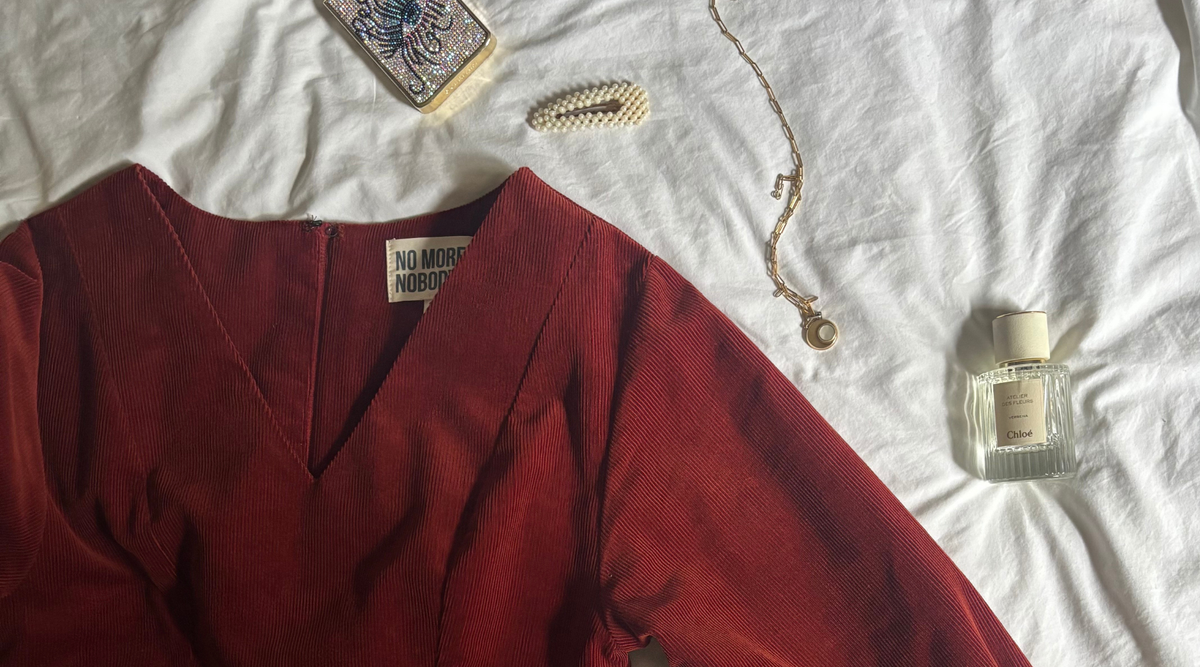
Explore organic, circular womenswear pieces made from reclaimed and organic fabrics on the No More Nobody circular fashion womenswear collection page.
-
Build out your look with sustainable jewelry that complements a slow, considered wardrobe.
-
Add low impact finishing touches with small accessories, sustainable scrunchies and pouches designed to use leftover and reclaimed materials.
Written by Monisha Krishnappa


Leave a comment
This site is protected by hCaptcha and the hCaptcha Privacy Policy and Terms of Service apply.