

Transparency in Fashion: Why It Matters
In an age where information flows freely and consumers demand accountability, the fashion industry's long-standing culture of secrecy is crumbling. For decades, complex supply chains operated behind closed doors, with brands carefully controlling what and what not to reveal about how their clothes were made. But today's conscious consumers are asking difficult questions and expecting honest answers. Transparency in fashion has evolved from a nice-to-have into an essential foundation for trust and authenticity. The brands willing to open their doors and share their stories, both triumphs and challenges, are building deeper connections with customers who value truth as much as style.
Defining Transparency in Modern Fashion
Transparency in fashion means different things to different people, but at its core, it's about openness, honesty, and accountability throughout a garment's journey from concept to customer. It's the willingness to share not just the polished final product, but the messy, complicated reality of how that product came to be.
True transparency encompasses multiple dimensions. There's supply chain transparency: knowing where materials come from, who manufactures them, and under what conditions. There's environmental transparency: honest reporting about a brand's ecological footprint, including carbon emissions, water usage, and waste generation. There's pricing transparency: breaking down costs to show customers exactly what they're paying for. And there's values transparency: clearly communicating what a brand stands for and acknowledging when they fall short.
What transparency isn't is selective disclosure or strategic storytelling that highlights positives whilst burying negatives. It's not vague claims about "sustainability" or "ethical practices" without concrete evidence. Real transparency requires vulnerability the courage to say "here's what we're doing well, here's where we're struggling, and here's what we're working to improve."
The rise of transparency reflects a broader cultural shift towards authenticity. Modern consumers, particularly younger generations, have finely tuned sensors for corporate spin. They've witnessed too many scandals where brands' public images contradicted their private practices. This scepticism means that transparency fashion brands must earn trust through consistent action, not clever marketing.
Importantly, transparency serves as a powerful accountability mechanism. When a brand publicly commits to certain standards and shares verifiable data about their practices, they create a framework that holds them accountable. Customers, journalists, and advocacy organisations can check claims against reality. This scrutiny may seem uncomfortable, but it's precisely what drives genuine improvement rather than superficial greenwashing.
For ethical supply chain management, transparency is non-negotiable. Without clear visibility into who's making clothes and under what conditions, there's no way to ensure fair treatment or safe working environments. Transparency transforms abstract concepts like "ethical fashion" into concrete, verifiable realities that customers can trust.

Enabling Traceability: Tools and Innovations
Making supply chains visible requires more than good intentions it demands practical tools and systematic approaches. Fortunately, technology and innovative methodologies are making traceability increasingly achievable, even for complex global supply chains.
Digital mapping allows brands to visualise their entire supply network, from raw material suppliers through to final assembly. By documenting every step and stakeholder, brands can identify risks, verify conditions, and provide customers with clear information about a garment's journey. Some transparency fashion brands now offer interactive maps on their websites, allowing customers to click through each production stage.
Blockchain technology offers exciting possibilities for immutable record-keeping. By recording each transaction and transformation on a distributed ledger, blockchain creates an unalterable chain of provenance. A cotton shirt's journey from farm to finished product can be traced with certainty, with each participant verifying their contribution. Whilst still emerging in fashion, blockchain has enormous potential for building trust and authenticity.
QR codes and digital passports provide an accessible bridge between physical garments and digital information. Scanning a code sewn into a garment can reveal its complete story: where the fabric was woven, who sewed the seams, what certifications the factory holds, and the garment's environmental impact. This technology makes transparency tangible and immediate for consumers.
Third-party certifications remain crucial verification tools. Standards like Fair Trade, GOTS (Global Organic Textile Standard), and B Corp certification involve rigorous independent audits that verify claims. These certifications provide assurance that transparency claims are backed by verified evidence, not just brand promises.
Supply chain audits and factory visits offer direct insight into working conditions and practices. Progressive brands regularly audit their suppliers and publish findings, including areas needing improvement. Some even invite journalists, advocates, or customers to visit production facilities, demonstrating confidence in their practices.
Collaborative platforms like Fashion Revolution's Transparency Index create industry-wide accountability. By publishing comparative data on how much brands disclose about their policies, practices, and impacts, these initiatives pressure companies to increase transparency whilst celebrating leaders.
The technology exists to make fashion supply chains visible; what's required now is the will to use it. Brands genuinely committed to transparency leverage these tools not as marketing exercises but as fundamental operating principles that guide decision-making at every level.
Honest Storytelling and Provenance
Numbers and data matter, but stories connect us emotionally. Honest storytelling transforms transparency from abstract information into compelling narratives that build trust and deepen customer relationships. This is where provenance the complete story of a garment's origins and journey becomes powerful.
Sustainable fashion stories work best when they're specific and authentic. Rather than generic claims about "artisan communities," effective storytelling introduces us to Maria in Portugal who's been tailoring for thirty years, or shares the history of the organic cotton farm in India that's been family-run for three generations. These details create emotional resonance whilst demonstrating genuine knowledge of the supply chain.
Provenance also includes acknowledging the less glamorous realities. Perhaps a brand switched suppliers due to labour concerns, or they're struggling to find sustainable alternatives for a particular material. Sharing these challenges humanises the brand and demonstrates that they're genuinely grappling with complex issues rather than presenting a sanitised version of reality.
Storytelling in fashion serves multiple purposes. It educates customers about the skill and complexity involved in garment production, helping them appreciate quality and craftsmanship. It highlights the people behind the clothes, restoring visibility to workers who've long been anonymous. It demonstrates a brand's values in action rather than just stated aspirations.
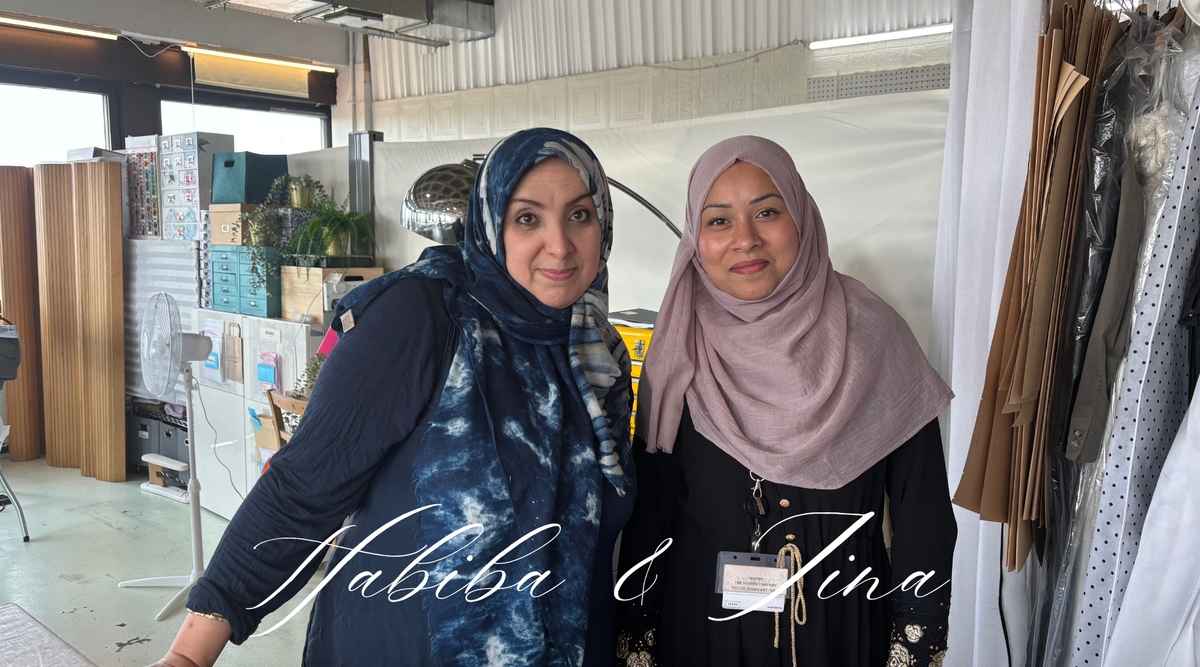
Visual storytelling amplifies impact. Photos and videos from production facilities, interviews with makers, and behind-the-scenes content showing the creation process bring transparency to life. When customers see the faces and workspaces of the people making their clothes, abstract supply chains become tangible human endeavours.
However, honest storytelling requires careful navigation of power dynamics. Brands must avoid exploitative narratives that position makers as charity recipients rather than skilled professionals. Stories should celebrate agency and dignity, not reinforce harmful stereotypes. The goal is empowerment and recognition, not poverty tourism.
Provenance narratives also extend to materials. Where did the cotton grow? How was it processed? What dyes were used? For sustainable fashion stories to resonate, they must trace materials as thoroughly as they document labour. A truly transparent garment's story encompasses every input and transformation.
The most powerful aspect of honest storytelling is that it invites ongoing dialogue. When brands are open about their journey including missteps and learning moments they create space for customers to engage as partners rather than passive consumers. This collaborative relationship builds loyalty far stronger than any marketing campaign could achieve.
No More Nobody's Transparency Promise
Some brands treat transparency as a buzzword; we at No More Nobody have made it a foundational principle that shapes every aspect of our operations. Our name itself reflects a commitment to ensuring that nobody in our supply chain remains invisible or unacknowledged.
From the outset, we at No More Nobody have prioritised radical openness about our ethical supply chain. We don't just claim to be sustainable we provide specific, verifiable information about where garments are made, who makes them, and what standards are maintained. This level of detail allows customers to make genuinely informed decisions rather than relying on vague assurances.
Our brand's transparency extends to honest storytelling about both successes and ongoing challenges. We recognise that we are not perfect and that sustainable fashion is a journey of continuous learning and improvement. By acknowledging areas where we're still learning and developing solutions, we hope to build trust and authenticity that polished perfection never could.
We, at No More Nobody, also embrace transparency around costs and pricing. We help customers understand what they're paying for the quality materials, fair wages, ethical production, and sustainable practices that go into each garment. This honesty counters the perception that sustainable fashion is arbitrarily expensive, revealing instead the true cost of clothing made with integrity.
Our commitment to provenance means each collection comes with detailed information about the garments' origins. Customers can learn about the specific makers, materials, and production processes involved. This isn't marketing fluff it's substantive information that connects people to the real humans and resources behind their clothes.
Perhaps most importantly, we at No More Nobody treat transparency as an ongoing practice rather than a one-time disclosure. We consistently communicate with customers, share updates about their progress and challenges, and invite feedback and questions. This sustained commitment demonstrates that transparency isn't performative it's integral to who we are as a brand.

Conclusion
Transparency in fashion has evolved from optional to essential. In an industry historically shrouded in secrecy, the brands willing to open their operations to scrutiny are building the trust and authenticity that today's conscious consumers demand. Transparency isn't just about disclosure it's about accountability, honesty, and the courage to show the full reality of fashion production, imperfections included.
The tools and innovations enabling traceability continue to advance, making it increasingly feasible for brands to map and share their entire supply chain journey. From blockchain to digital passports, technology supports transparency at scale. But technology alone isn't enough it must be paired with genuine commitment to openness and honest storytelling that brings provenance to life.
The future of fashion belongs to brands that embrace transparency as a core value rather than a marketing tactic. These brands recognise that customers are partners in the journey towards more ethical, sustainable fashion partners who deserve truth, not spin. By sharing their stories openly, acknowledging challenges, and demonstrating consistent progress, transparency fashion brands are rebuilding an industry on foundations of trust rather than secrecy.
Every time you choose a brand committed to transparency, you vote for a fashion industry where openness is the norm, where makers are visible and valued, and where customers can make choices aligned with their values. That's the power of transparency it transforms fashion from an opaque system into a clear, accountable, human-centred industry we can all feel good about participating in.
The question is no longer whether fashion brands should be transparent, but how quickly they can catch up to rising expectations. The brands leading this transformation aren't just surviving they're thriving, proving that honesty and success are perfectly compatible when you have nothing to hide.
Experience fashion built on transparency and trust at No More Nobody
Written by Monisha Krishnappa


Leave a comment
This site is protected by hCaptcha and the hCaptcha Privacy Policy and Terms of Service apply.