

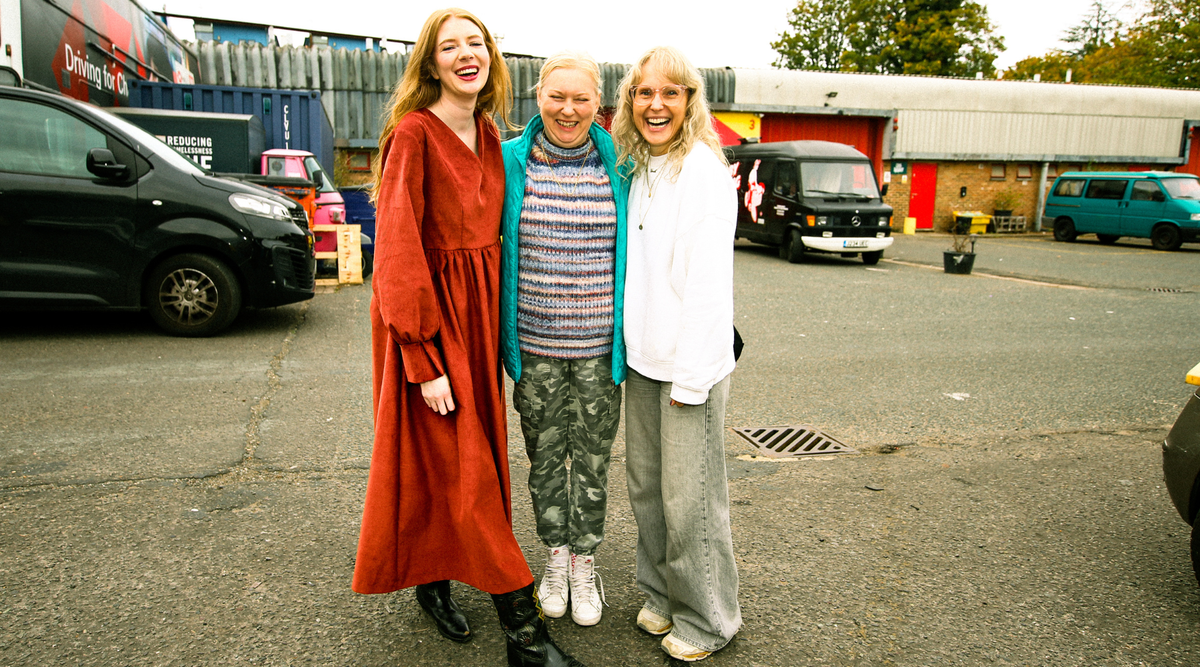
Honouring the Makers: The People Behind Fashion
When you slip on a new jumper or button up a shirt, there's a story woven into every seam a story of hands that cut the fabric, eyes that checked each stitch, and a person who brought that garment to life. Yet for too long, these makers have remained invisible, their craft reduced to price tags and production timelines. In an industry built on creativity and expression, the very people whose artistry makes fashion possible have been hidden in shadows. It's time we changed that narrative. Honouring the makers isn't just ethically right it's essential to building a fashion system that values people as much as profit.
The Value of Visible Craftsmanship
There's something profound that happens when we connect a garment to the person who made it. Suddenly, that shirt isn't just fabric and thread it's the result of someone's skill, time, and dedication. Craftsmanship in fashion represents more than technical ability; it embodies generations of knowledge, cultural traditions, and human dignity.
For decades, the fashion industry's relentless pursuit of speed and low prices has deliberately obscured the human element of production. Complex global supply chains were designed, at least in part, to create distance between consumers and the realities of garment manufacturing. This invisibility served a purpose: it's easier to demand rock-bottom prices when you can't see the faces of the people affected by those demands.
But visible labour changes everything. When we recognise the makers behind our clothes, we begin to understand the true cost of fashion not just in pounds and pence, but in human terms. We start asking different questions: Who made this? Were they paid fairly? Did they work in safe conditions? Do they take pride in their craft?
This shift towards visibility doesn't diminish the magic of fashion; it enhances it. Knowing that your dress was sewn by Iwona, a skilled seamstress from Poland with thirty years of experience, adds richness to the garment. It transforms an anonymous transaction into a human connection. The stitching isn't just functional it represents Iwona's expertise, her steady hands, her attention to detail. That's the true value of craftsmanship, and it deserves celebration.
Moreover, visible craftsmanship naturally elevates quality. When makers are acknowledged and valued, they're empowered to take pride in their work. This pride translates directly into better garments clothes made with care, built to last, and infused with the kind of attention to detail that fast fashion's anonymity can never replicate.
Maker Stories: Transforming Invisibility into Pride
Every maker has a story, and those stories matter. They're narratives of resilience, skill development, cultural heritage, and often, remarkable determination in the face of adversity. Storytelling in fashion isn't just feel-good marketing it's an act of recognition that restores dignity and visibility to people who've been systematically overlooked.
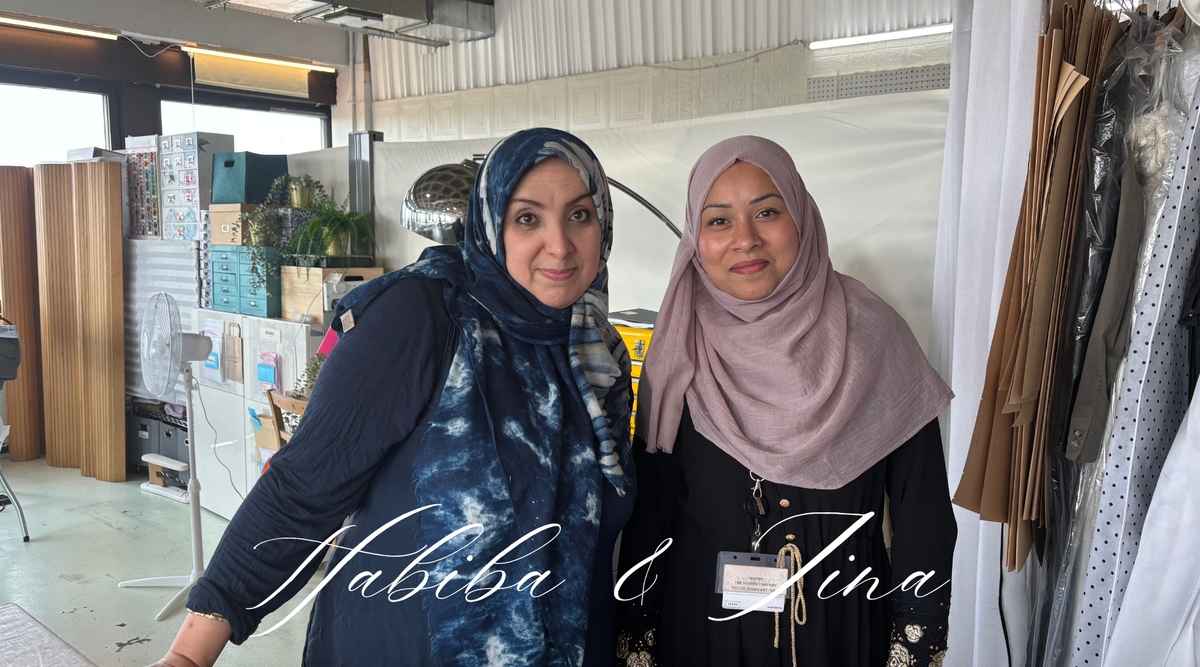
Consider Habiba, who learned embroidery techniques from her grandmother in a small village in Algeria. Her skilled hands now create intricate details on garments worn around the world, yet until No More Nobody, nobody knew her name. Punt intended! When brands like us, choose to share maker stories, they're doing more than providing interesting content they're acknowledging that Habiba's heritage, skills, and contribution have value beyond the economic transaction.
These stories also challenge harmful stereotypes. Western consumers often hold vague, sometimes troubling assumptions about garment workers from the Global South viewing them as victims rather than skilled professionals. Putting makers in the spotlight reveals the truth: these are talented artisans, often women, who possess specialised skills that take years to master. They're experts in their craft, deserving of the same respect we afford to designers and creative directors.
Transforming invisibility into pride creates ripple effects that extend far beyond individual makers. When one woman's story is told and celebrated, it uplifts her community. Young people see that traditional crafts have value and dignity. Other makers feel seen and recognised. Parents can point to someone like them and say, "Look at what she's created. Look at how her work matters."
There's also power in specificity. Rather than generic statements about "our artisans" or "skilled workers," genuinely honouring makers means using names, showing faces, and sharing authentic details about their lives and work. It means recognising them as individuals with unique stories, not interchangeable labour units.
This approach fundamentally alters the relationship between consumer and maker. It creates accountability brands can't hide behind abstraction when real people are attached to their products. It also creates connection, reminding us that fashion is, at its heart, about humans creating beauty for other humans.

Ethical Labour & Representation in Fashion
Celebrating makers and ensuring ethical labour practices are inseparable. You cannot genuinely honour someone whilst exploiting them. True representation in fashion means both visibility and fair treatment the stories we tell must be backed by the wages we pay and the conditions we provide.
Ethical makers deserve living wages that reflect their skill and allow them to support their families with dignity. They deserve safe working environments free from hazards and abuse. They deserve reasonable hours that don't sacrifice their health or family time. These aren't radical demands they're basic human rights that should be non-negotiable in any industry.
Women in sustainable fashion deserve particular attention, as they comprise the vast majority of garment workers globally. Yet women workers have historically faced lower wages than male counterparts, limited advancement opportunities, and vulnerability to harassment. Ethical fashion must actively work to dismantle these inequities, not merely replicate existing power structures with a sustainable veneer.
Representation also means including makers in decision-making processes where possible. Their expertise about techniques, materials, and production realities is invaluable. When makers have a voice in how garments are designed and produced, the results are better for everyone more realistic timelines, more appropriate techniques, more wearable final products.
Transparency serves as the foundation for ethical labour. Brands committed to honouring makers willingly open their supply chains to scrutiny. They conduct regular audits, publish supplier lists, and address problems when they arise. This transparency isn't always comfortable it exposes imperfections and challenges but it's necessary for genuine progress.
It's also worth noting that ethical labour extends beyond the person sewing the final seam. Every step of fashion's supply chain involves human hands: farmers growing fibres, mill workers spinning yarn, dyers creating colours, pattern cutters, quality checkers, and many others. Truly honouring the makers means recognising and valuing everyone whose labour contributes to a finished garment.
How No More Nobody Showcases Makers
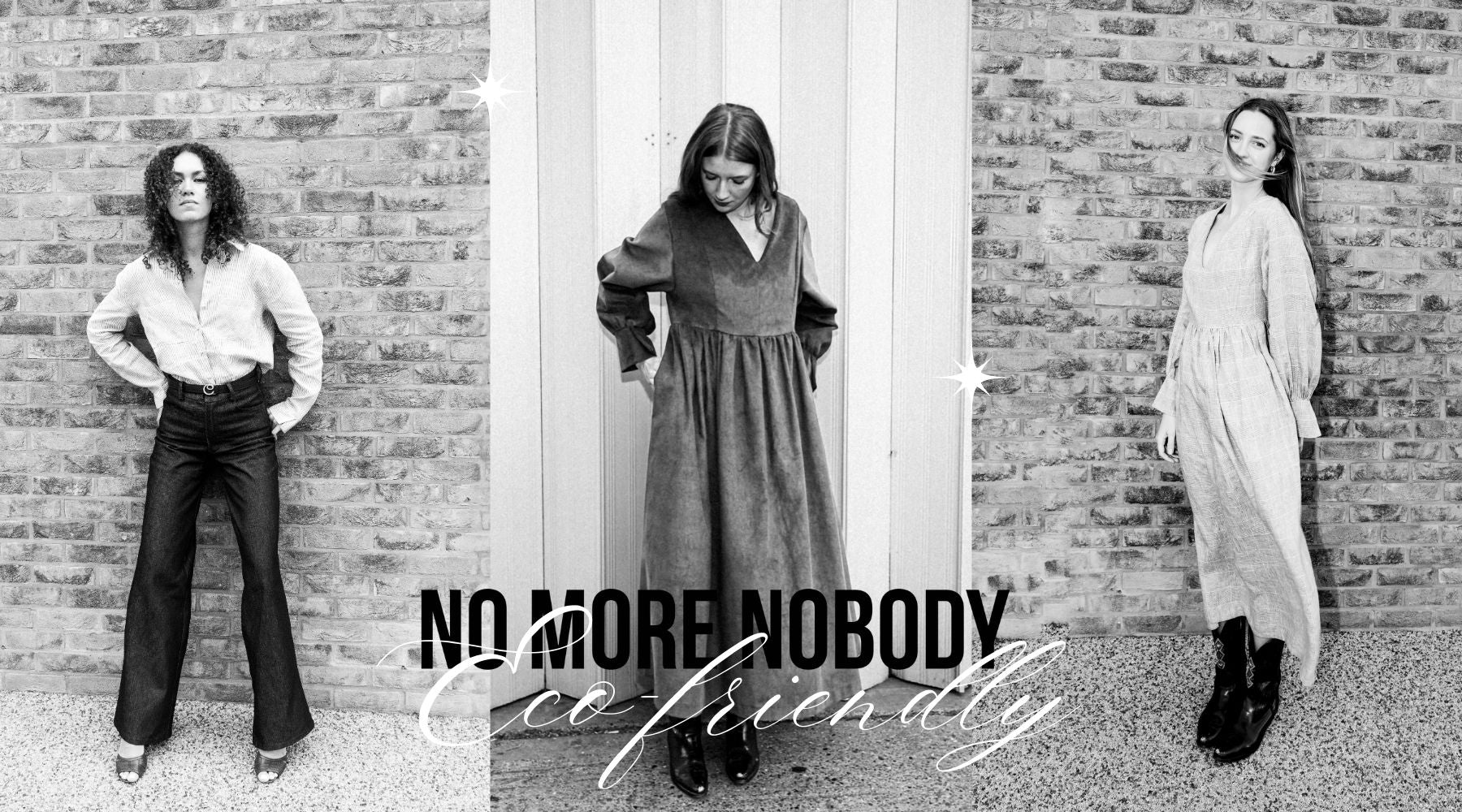
Some brands talk about valuing makers; others demonstrate it through action. No More Nobody has built its entire philosophy around the principle embedded in its name ensuring that nobody in their supply chain remains anonymous or overlooked.
From the beginning, No More Nobody has been committed to making visible labour central to their brand identity. This isn't an afterthought or marketing strategy it's a foundational value that shapes every decision. Each collection comes with stories about the people behind the pieces, connecting customers directly to the makers whose skills brought the designs to life.
The brand's approach to showcasing makers goes beyond surface-level storytelling. They invest time in building genuine relationships with their production partners, understanding not just what they make but who they are. This depth of engagement allows for authentic storytelling that respects makers' dignity whilst celebrating their craft.
Transparency extends throughout No More Nobody's operations. They're open about where garments are made, who makes them, and under what conditions. This radical honesty allows customers to make truly informed choices whilst holding the brand accountable to its stated values. There's no greenwashing or vague claims just honest information about real people doing real work.
By putting makers in the spotlight, No More Nobody also educates customers about craftsmanship in fashion. When you understand the skill required to create a perfectly aligned pattern or execute flawless topstitching, you develop deeper appreciation for the garment and the person behind it. This education naturally shifts consumer behaviour towards valuing quality and longevity over disposability.
The brand's commitment to ethical makers isn't limited to fair wages and safe conditions, though these fundamentals are in place. It extends to fostering pride and professional development, supporting communities where production takes place, and building long-term partnerships rather than exploiting short-term opportunities.

Conclusion
Honouring the makers behind our clothes isn't optional it's essential to creating a fashion industry worthy of the twenty-first century. Every garment carries within it the skill, time, and care of the person who created it. When we choose to see and celebrate these makers, we transform fashion from a system built on exploitation into one grounded in respect and human dignity.
The invisible hands that have long laboured in obscurity are stepping into the light, and it's about time. Their stories enrich our understanding of craftsmanship, challenge our assumptions about value, and remind us that fashion at its best is a profoundly human endeavour. Each maker's story is a thread in the larger tapestry of ethical fashion, and every one deserves to be seen, heard, and valued.
As consumers, we have the power to demand visibility and ethical treatment for makers. We can choose brands that celebrate their producers rather than hiding them. We can ask questions about who made our clothes and under what conditions. We can recognise that the true luxury of fashion isn't exclusivity or expense it's knowing that the clothes on our backs were made by people treated with dignity and respect.
At No More Nobody, that belief begins with naming the people behind each piece. Your garments have been made by Iwona, Sabina, Habiba, Tina, and Michelle — skilled makers whose hands, experience, and care are woven into every seam. Acknowledging them by name is a small but meaningful act of respect, and a reminder that ethical fashion starts with visibility.
The makers have always been there, creating beauty with their hands and expertise. Now it's our turn to see them, celebrate them, and ensure they're honoured not just in words but in every aspect of how fashion operates. Because when we honour the makers, we honour the very essence of what makes fashion meaningful.
Discover the faces and stories behind every garment at No More Nobody
Written by Monisha Krishnappa

Leave a comment
This site is protected by hCaptcha and the hCaptcha Privacy Policy and Terms of Service apply.