

Winter Sustainable Style: Eco-Friendly Fabrics and Layering
As January arrives and temperatures really drop, staying warm becomes a daily priority. But keeping cosy doesn't mean compromising your values. Sustainable winter fashion proves you can embrace the season's chill whilst making choices that are kinder to the planet. From selecting eco-friendly fabrics to mastering the art of ethical layering, creating a conscious cold-weather wardrobe is easier and more stylish than you might think.
Best Fabrics for Winter Warmth and Sustainability
Choosing the right materials is fundamental to building a sustainable winter wardrobe. Not all fabrics are created equal when it comes to keeping you warm whilst minimising environmental impact. Here are the standout eco-friendly fabrics that'll see you through the coldest months.
Organic wool is winter's unsung hero. Naturally insulating, breathable, and biodegradable, wool has been keeping humans warm for millennia. Look for certified organic wool or recycled wool options, which avoid the pesticides and intensive farming practices associated with conventional production. Merino wool deserves special mention it's incredibly soft, naturally odour-resistant, and regulates temperature beautifully, meaning you stay warm without overheating.
Organic cotton might surprise you as a winter fabric, but when woven into flannel, corduroy, or brushed jersey, it provides substantial warmth. Unlike conventional cotton (one of the most pesticide-intensive crops), organic cotton is grown without harmful chemicals, using significantly less water. It's perfect for base layers and winter shirts that sit close to the skin.
Hemp is a remarkably sustainable option that gets softer with every wash. This hardy plant requires minimal water, no pesticides, and actually improves soil health as it grows. Hemp fabric is naturally antimicrobial and becomes warmer when blended with other fibres like organic cotton or wool. It's an excellent choice for winter trousers and outerwear.
Linen may seem like an unexpected choice for winter, but it plays a clever role in a sustainable cold-weather wardrobe. As a base layer, linen performs beautifully — it’s highly breathable, helps regulate body temperature, and traps warmth close to the skin without causing overheating. Much like cotton or merino wool, linen allows your skin to breathe while creating an insulating layer when worn under heavier knits. Layered beneath wool jumpers or cosy cardigans, linen adds comfort, warmth, and a natural, low-impact touch to winter dressing.
Recycled polyester and nylon offer practical warmth for outerwear whilst giving new life to existing materials. Whilst synthetic fabrics aren't biodegradable, choosing recycled versions prevents plastic waste from landfill and reduces the demand for virgin petroleum-based materials. These fabrics work brilliantly for waterproof coats and insulated jackets.
Tencel and lyocell are newer innovations worth knowing about. Made from sustainably harvested wood pulp through a closed-loop process that recycles water and solvents, these fabrics are soft, breathable, and surprisingly warm when used in winter-weight knits. They're also biodegradable, making them a genuinely circular choice.
When shopping for Winter fashion, check labels carefully. Look for certifications like GOTS (Global Organic Textile Standard), OEKO-TEX, or the Responsible Wool Standard, which verify environmental and ethical claims. These badges give you confidence that your winter warmers are genuinely sustainable.

Layering Techniques for Comfort and Planet
Mastering ethical layering is the secret to staying warm without overheating and without buying more than you need. The key is understanding how different layers work together to trap heat and wick moisture whilst using what you already own.
Start with a quality base layer. This foundation piece sits next to your skin, so choose natural fibres like organic cotton, linen, bamboo, or merino wool that breathe well and regulate temperature. A good base layer does the heavy lifting, meaning you won't need as many bulky jumpers on top. One or two well-made base layers will serve you better than a drawer full of cheap alternatives.
Your middle layer is where insulation happens. This is where those lovely woollen jumpers, fleeces made from wool, recycled materials, or chunky cardigans come in. The beauty of sustainable winter fashion is that natural fibres like wool trap air effectively, providing warmth without weight. You can easily adjust your comfort level by adding or removing this layer throughout the day.
The outer layer protects you from wind and rain. A well-made coat in a timeless style is one of the best investments you can make. Look for durable, weather-resistant fabrics with ethical credentials. A quality winter coat should last you years, making it worth spending a bit more on something truly sustainable. Consider versatile colours and classic cuts that won't date this isn't the place for fast fashion trends.
Here's a practical winter style tip: embrace the "three-layer rule." On most winter days, three well-chosen layers (base, middle, outer) provide ample warmth. This approach prevents wardrobe bloat and reduces the temptation to buy excessively. Plus, layering lets you adapt to varying temperatures as you move between heated buildings and chilly streets.
Don't forget that ethical layering extends to how you care for these pieces. Wash only when necessary, air dry when possible, and store woolens properly with natural moth deterrents like cedar or lavender. This mindful care extends the life of your sustainable winter wardrobe significantly.
Ethical Accessories for Cold Weather
Accessories complete your winter look whilst providing essential protection from the elements. Choosing sustainable accessories demonstrates that conscious style extends to every detail.
Scarves are wonderfully versatile they add warmth, protect your neck and face from biting winds, and can transform an outfit in seconds. Look for scarves in organic cotton, wool, or recycled materials. A large, quality scarf can double as a wrap or even an emergency blanket. Choose classic patterns or solid colours that coordinate with multiple outfits, maximising wear whilst minimising purchases.
Gloves and mittens keep your hands warm without compromise. Wool or recycled fleece options provide excellent insulation. If you need waterproof gloves for particularly wet weather, seek out brands using recycled synthetic materials. Leather gloves can be sustainable if they're a byproduct of the food industry and properly tanned using vegetable methods, though vegan alternatives in organic or recycled materials are increasingly available.
Hats are essential for winter warmth we lose significant heat through our heads. Knitted beanies in organic wool or recycled fibres are cosy, durable, and easy to care for. Many sustainable brands also offer hats made by skilled artisans, meaning your purchase supports traditional crafts and fair wages.
Socks deserve special attention. Quality wool or organic cotton socks keep feet warm and dry, preventing the discomfort that comes from synthetic materials that trap moisture. Invest in a few pairs of excellent socks rather than buying cheap multipacks. Your feet (and the planet) will thank you.
Consider shopping secondhand for accessories. Vintage scarves, nearly-new gloves, and pre-loved hats can be excellent finds. These pieces have already been produced, so buying them secondhand maximises their use without demanding new resources. Plus, you might discover unique styles unavailable elsewhere.

No More Nobody's Conscious Cold Weather Collection
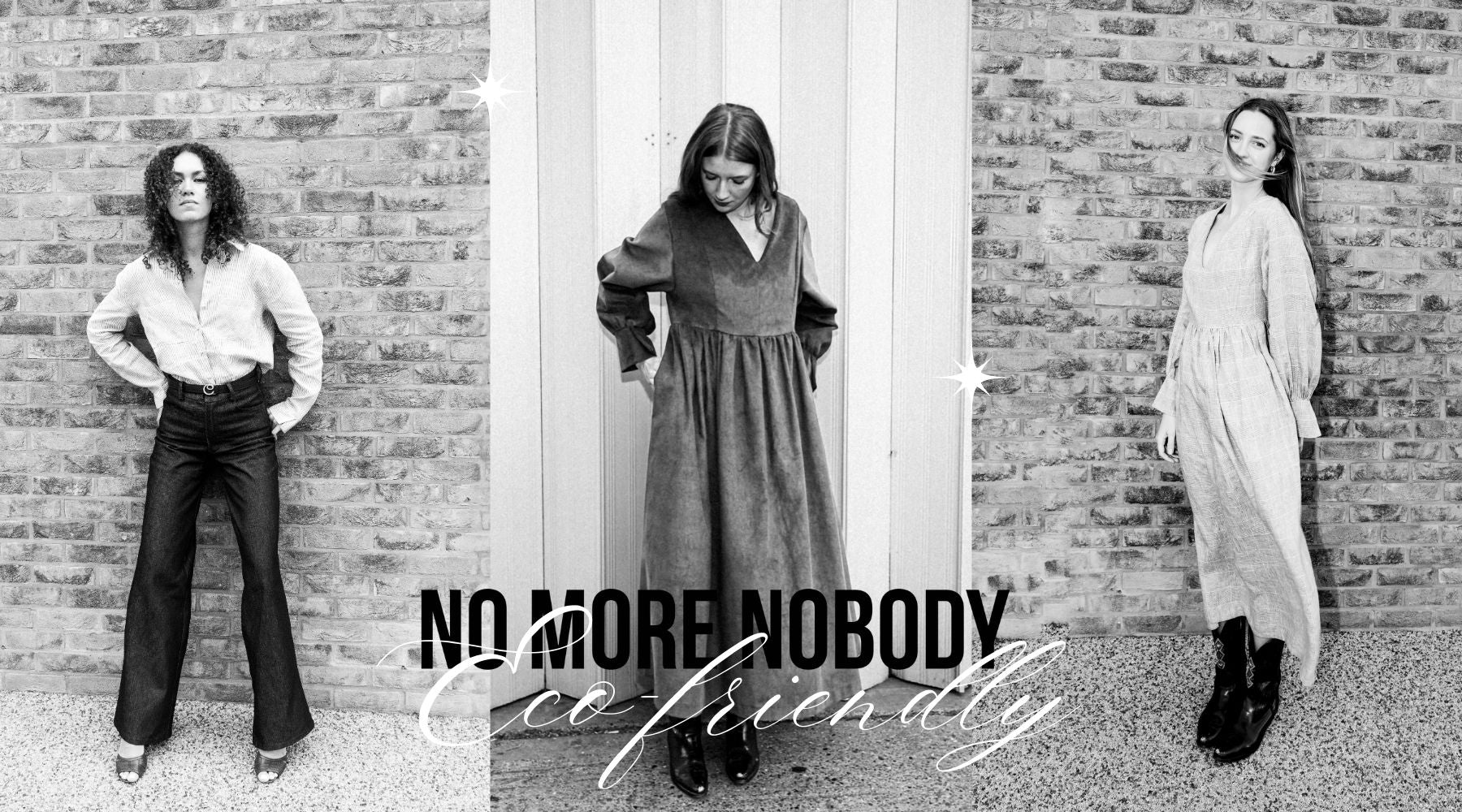
Finding brands that genuinely prioritise sustainable winter fashion can feel overwhelming, but No More Nobody demonstrates how conscious cold weather dressing can be both practical and beautiful.
Their approach to winter-ready pieces centres on timeless design and eco-friendly fabrics that won't go out of style next season. By focusing on versatile, well-made garments that work across multiple occasions, they help customers build wardrobes that last rather than collections that need constant updating.
The brand's commitment to transparency means you can feel confident about where your winter warmers come from and how they're made. This openness extends throughout their supply chain, ensuring that the people making your clothes are treated fairly and the environmental impact is minimised at every stage.
What makes No More Nobody's winter collection particularly appealing is how it balances aesthetic appeal with ethical credentials. These aren't worthy-but-dull pieces; they're genuinely desirable clothes that happen to be sustainably made. The designs work beautifully for December's festive occasions whilst remaining practical for everyday wear throughout winter and going into spring warmer months.
Their layering pieces are designed to work together, making it easier to create multiple outfits from fewer items. This thoughtful approach to winter style tips reflects a deeper understanding that sustainable fashion isn't just about materials it's about designing clothes people will actually wear, season after season.
Conclusion
Sustainable winter fashion isn't about sacrifice or settling for less. It's about making thoughtful choices that keep you warm, comfortable, and aligned with your values throughout January and beyond. By selecting eco-friendly fabrics, mastering ethical layering techniques, and choosing quality accessories, you create a winter wardrobe that's kinder to the planet without compromising on style or warmth.
The beauty of conscious cold-weather dressing is that it often leads to a more curated, intentional wardrobe. When you invest in quality pieces made from sustainable materials, you end up with fewer clothes that you genuinely love and wear regularly. That's the real luxury knowing that your winter style reflects both who you are and what you stand for.
This January embrace the season with confidence, wrapped in fabrics that warm both body and conscience. Sustainable winter style proves that looking good and doing good aren't opposites they're the perfect pairing for a conscious, cosy winter.
Explore winter-ready sustainable fashion and discover pieces that combine warmth with conscience at No More Nobody
Written by Monisha Krishnappa



Leave a comment
This site is protected by hCaptcha and the hCaptcha Privacy Policy and Terms of Service apply.