

The Power of Circular Fashion: Closing the Loop
The fashion industry has long operated on a linear model: make, wear, dispose. This "take-make-waste" approach has contributed to overflowing landfills, excessive resource consumption, and environmental degradation. But there's a better way forward. Circular fashion offers a transformative alternative that keeps clothes in use for longer, reduces waste, and minimises our environmental footprint. By embracing a circular wardrobe, you can play an active role in reshaping the industry whilst building a more intentional, sustainable relationship with your clothes.
What Is Circular Fashion and Why Does It Matter?
Circular fashion is a system designed to eliminate waste and keep materials in use for as long as possible. Unlike the traditional linear model, fashion circularity focuses on designing garments that last, encouraging repair and reuse, and ensuring that when clothes reach the end of their life, they're recycled back into new materials rather than ending up in landfill.
The concept draws inspiration from nature's own cycles, where nothing is wasted everything serves a purpose and returns to the system. In fashion terms, this means thinking beyond the initial purchase. It's about asking: How long will this garment last? Can it be repaired? What happens when I no longer need it?
Why does this matter? The statistics are sobering. The fashion industry is responsible for roughly 10% of global carbon emissions, and millions of tonnes of textiles are discarded each year. Fast fashion has accelerated consumption to unsustainable levels, with many garments worn fewer than ten times before being thrown away. Circular fashion challenges this wasteful cycle by prioritising quality, longevity, and responsible end-of-life solutions.
By adopting circular principles, we can dramatically reduce the environmental impact of our wardrobes. It's not just about being eco-conscious it's about recognising that our clothing choices have real consequences and choosing differently.
How to Practise Circular Wardrobe Habits
Building a circular wardrobe doesn't require a complete overhaul overnight. Instead, it's about making thoughtful, incremental changes that add up over time. Here are some practical ways to embrace fashion circularity in your everyday life:
Buy less, choose well. The foundation of a circular wardrobe is quality over quantity. Invest in well-made pieces that will stand the test of time rather than trendy items that'll fall apart after a few wears. Look for durable fabrics, solid construction, and timeless styles that won't feel dated next season.
Care for your clothes properly. Extending garment life starts with proper maintenance. Wash clothes less frequently (many items can be aired out or spot-cleaned instead), use cold water when you do wash, and air dry when possible. These simple habits reduce wear and tear whilst saving energy.
Rent or borrow for special occasions. There's no need to buy a new outfit for every event. Clothing rental services and swap parties with friends let you access variety without the environmental cost of ownership.
Support brands with circular practices. Vote with your wallet by choosing companies that prioritise sustainability, offer repair services, or take back old garments for recycling. These businesses are leading the way towards a more circular fashion system.
Resist impulse purchases. Before buying something new, pause and ask yourself: Do I truly need this? Will I wear it at least thirty times? Does it work with what I already own? This mindful approach prevents accumulation and reduces waste.

Repair, Reuse, Recycle: Practical Tips
The three Rs repair, reuse, and recycle form the backbone of circular fashion. Here's how to put each principle into practice:
Repair: Don't bin clothes at the first sign of damage. A missing button, small tear, or loose hem can usually be fixed with basic sewing skills or a trip to the tailor. Visible mending techniques like sashiko or embroidered patches can even transform repairs into attractive design features. Learning simple mending skills empowers you to extend the life of your favourite pieces significantly.
Reuse: When you no longer want an item, give it a second life. Donate clothes in good condition to charity shops, sell them through resale platforms, or swap with friends. You can also get creative with upcycling turn old jeans into shorts, transform t-shirts into tote bags, or repurpose fabric scraps for cleaning cloths. The possibilities are endless when you view unwanted garments as raw materials rather than rubbish.
Recycle: For items that are truly beyond repair or reuse, seek out textile recycling programmes. Many retailers and local councils now offer collection points for old clothing and textiles. These materials can be broken down and spun into new fibres, closing the loop in the truest sense. Check out FireLab, an innovative facility that is paving the path for the recycling industry. However, remember that recycling should be the last resort after you've exhausted repair and reuse options, as the recycling process itself requires energy and resources.
Understanding what can and can't be recycled is equally important. Natural fibres like cotton, wool, and linen are generally more recyclable than synthetic blends. When shopping, consider the end-of-life recyclability of garments as part of your purchasing decision.
Case Study: No More Nobody's Circular Practices
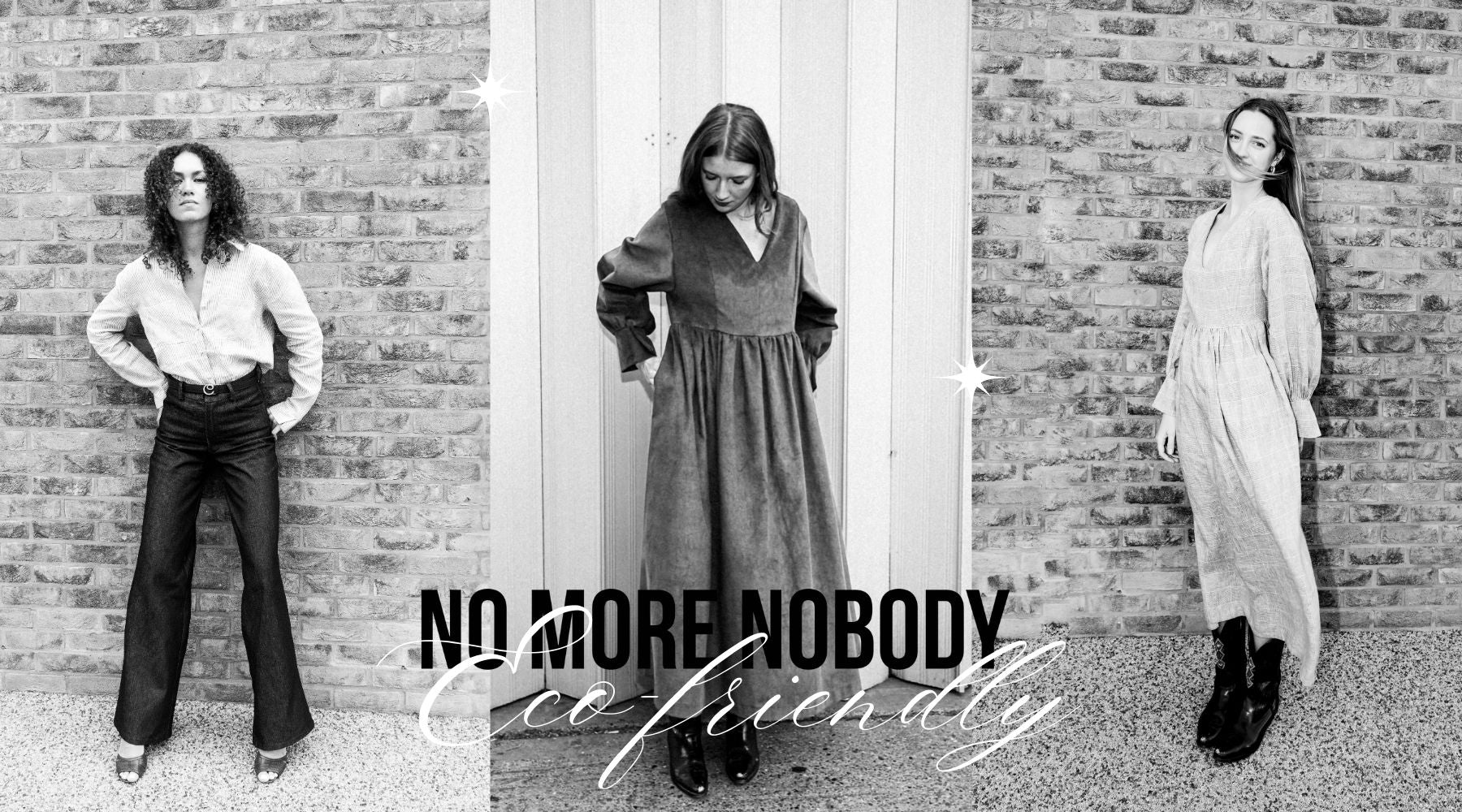
Some fashion brands are demonstrating that circular fashion isn't just theoretical it's achievable and scalable. No More Nobody exemplifies how circularity can be woven into a brand's DNA from design through to disposal.
The brand prioritises sustainable materials and ethical production methods, ensuring that each garment is made to last. By focusing on quality craftsmanship and timeless designs, they create pieces that resist the churn of seasonal trends. This approach naturally extends garment life, the first principle of fashion circularity.
Beyond initial production, No More Nobody embraces transparency about their manufacturing processes and supply chain. This openness allows consumers to make informed decisions and understand the true impact of their purchases. The brand also encourages customers to care for their garments properly through detailed care instructions, supporting longevity.
What sets truly circular brands apart is their commitment to the entire lifecycle of their products. By modelling these practices, companies like No More Nobody prove that sustainable fashion and stylish, desirable clothing aren't mutually exclusive. They're showing the industry and consumers alike that a circular approach is not only possible but preferable.

Circular Fashion for Everyday Shoppers
You might think circular fashion sounds lovely in theory but wonder if it's realistic for your busy life. The truth is, anyone can adopt circular wardrobe habits regardless of budget, style, or circumstance.
Start small. You don't need to transform your entire wardrobe overnight. Begin by committing to just one circular practice perhaps you'll learn to sew on a button, start air-drying your clothes, or pledge to buy nothing new for three months. Small actions build momentum and confidence.
Make it social. Circular fashion doesn't have to be a solitary pursuit. Organise clothing swaps with friends, share repair tips, or form a "buy nothing" group in your community. When sustainable choices become social activities, they're more enjoyable and sustainable (in both senses of the word).
Remember that perfection isn't the goal. You won't always get it right, and that's fine. Perhaps you'll occasionally buy something impulsively or discard an item that could have been repaired. What matters is the overall trajectory of your choices and your willingness to keep learning and improving.
Embrace the mindset shift. Circular fashion isn't just about specific actions, it's about fundamentally changing how you view clothing. See garments as long-term investments rather than disposable commodities. Value craftsmanship, story, and durability over fleeting trends. When you shift your perspective, circular choices become intuitive rather than forced.
Finally, use your voice. Talk about circular fashion with friends and family, share your experiences on social media, and let brands know you value sustainability. Consumer demand drives industry change, and your preferences matter more than you might think.
Conclusion
Circular fashion represents a fundamental reimagining of how we produce, consume, and dispose of clothing. By closing the loop in our wardrobes, we can dramatically reduce waste, conserve resources, and minimise the fashion industry's environmental impact. The power lies not with massive corporations alone but with individual choices made by everyday shoppers like you.
Whether you're mending a favourite jumper, buying secondhand, or supporting brands with circular practices, every action counts. A circular wardrobe isn't about perfection or sacrifice it's about making more thoughtful choices that align your clothing with your values. The journey towards fashion circularity is ongoing, but each step forward creates ripples of positive change.
The future of fashion is circular, and it starts in your wardrobe today. By embracing repair, reuse, and recycling, you're not just changing your own habits, you're contributing to a movement that's reshaping an entire industry. That's the true power of circular fashion.
Discover more about building a sustainable wardrobe and supporting circular fashion at No More Nobody
Written by Monisha Krishnappa


Leave a comment
This site is protected by hCaptcha and the hCaptcha Privacy Policy and Terms of Service apply.